Corner Store Jackpots: Scratch-Off Tickets Fueling Overnight Millionaires from Gas Station Counters
Bianca Weber · Apr 18, 2026
Corner Store Jackpots: Scratch-Off Tickets Fueling Overnight Millionaires from Gas Station Counters
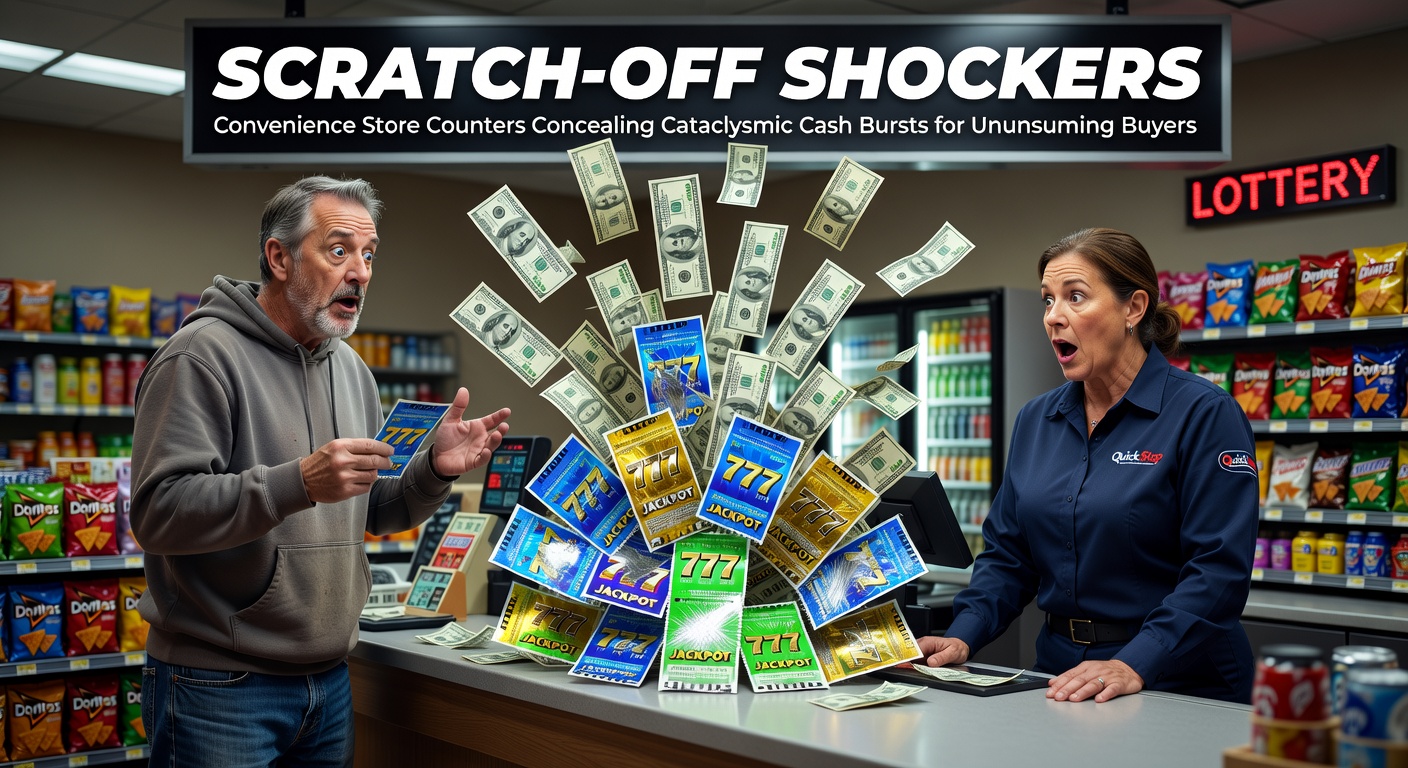
Scratch-off lottery tickets sit quietly on racks behind convenience store counters across North America, drawing in truck drivers grabbing coffee, shift workers buying smokes, and parents rushing through quick grocery runs; yet these unassuming strips of cardstock pack the potential to unleash prizes reaching into the millions, turning routine pit stops into pivotal life moments for everyday buyers.
The Rise of Instant-Win Scratch Games
Scientific Games introduced the first scratch-off ticket in 1974 for the Massachusetts State Lottery, revolutionizing lotteries by offering immediate results without waiting for draws; fast-forward five decades, and these games now generate billions annually, with data from the North American Association of State and Provincial Lotteries (NASPL) showing sales topping $120 billion in 2023 alone across US and Canadian markets.
What's interesting is how convenience stores dominate distribution, stocking everything from $1 quick-picks to $30 high-stakes cards; operators report these spots account for over 60% of scratch-off volume in many states, since they're open late, ubiquitous, and lure impulse buyers who might otherwise skip the lottery aisle.
And while draw games like Powerball grab headlines with massive shared jackpots, scratch-offs deliver solitary windfalls that hit without fanfare; take one Oregon case where a trucker scratched a $1 million winner right at the counter, cashing it before his coffee cooled.
Record-Breaking Payouts from the Checkout Line
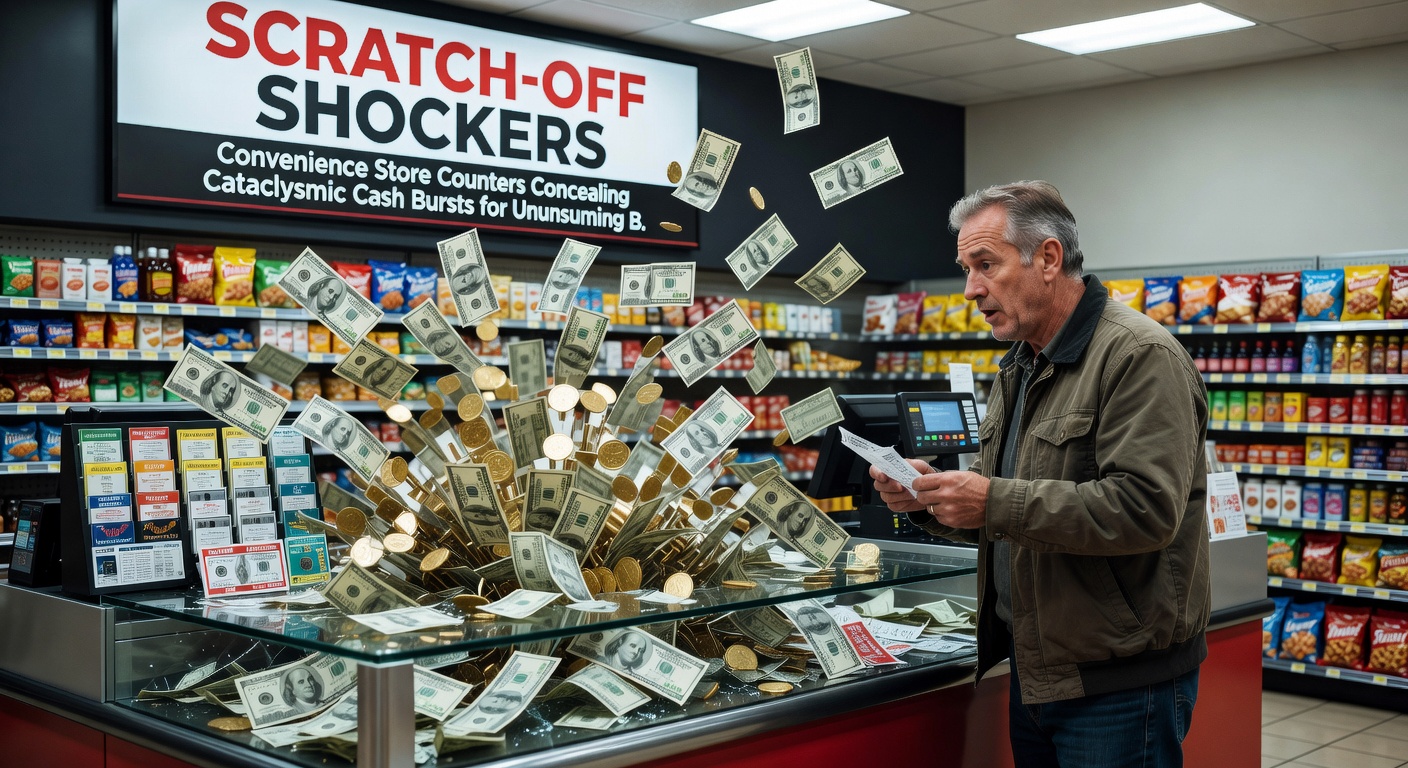
Massive wins emerge regularly from these humble venues, as evidenced by a Michigan man who pocketed $6 million from a $30 Club Keno Instant Cash ticket bought at a Marathon station in 2024; similar stories unfold weekly, with state lottery reports tallying hundreds of $1 million-plus prizes annually from convenience outlets.
Figures reveal Florida leads in sheer volume, dispensing over 200 million-dollar scratchers yearly through Publix, gas stations, and corner marts; one standout involved a retiree from Tampa who turned a $20 Gold Rush ticket into $15 million, all purchased during a routine cigarette run.
But here's the thing: top prizes don't just cluster in big cities; rural stops claim their share too, like the $10 million hit in rural Nebraska at a Sinclair station, where the clerk double-checked the ticket under fluorescent lights before the cheers erupted.
Odds, Patterns, and Player Realities
Scratch-off odds vary wildly by price and state, but research from the Lottery Post database indicates overall chances hover around 1 in 4 for any prize, while grand jackpots lurk at 1 in millions; higher-denominated tickets often boast better top-prize odds, say 1 in 1.2 million for a $5 million game versus 1 in 3 million for cheaper ones.
Observers note certain patterns, such as games nearing sell-out where remaining top prizes dwindle, prompting savvy players to check state websites for live updates; yet impulse dominates at counters, where 70% of sales stem from spontaneous grabs, according to NASPL surveys.
So players often chase themes—cash stacks, gems, or holiday motifs—unaware that each roll arrives factory-sealed with predetermined winners scattered evenly; that's where the rubber meets the road, since store clerks can't pick winners but do watch dreams unfold panel by panel.
Convenience Stores as Hotspots for Life-Changers
These outlets thrive on scratch-off synergy, with chains like 7-Eleven and Circle K reporting lottery sales rivaling fuel in some locations; a 2024 tobacco and convenience report pegged US scratch contributions at $80 billion yearly, fueling store expansions and even bonuses for clerks who sell big winners.
Take one Virginia instance: a Sheetz customer scratched a $5 million Neon Jackpot Doubler at 2 a.m., prompting the overnight manager to call headquarters amid flashing lights and hugs; such events boost foot traffic, as word spreads locally and winners sometimes return to tip staff handsomely.
Yet regulations ensure fairness; bodies like the Multi-State Lottery Association oversee production, mandating random distribution so no store gets loaded rolls, although smaller independents occasionally hit streaks that spark community buzz.
Recent Streaks and What's Next in 2026
2025 has already delivered clusters of counter wins, including a $12.5 million prize in Pennsylvania from a $50 Pennsylvania Millionaire Raffle ticket at a Sunoco, and a Canadian parallel where an Ontario truck stop buyer claimed CAD $5 million on a Pure Gold scratch-off.
Looking ahead, states gear up for April 2026 launches, with California rolling out a $100 Emerald 10X game promising $10 million tops, distributed heavily to gas marts; Texas follows suit via its Lotto app trackers, anticipating $500 million in new scratch sales amid economic pressures that drive affordable thrills.
One study from the University of Alberta's gambling research unit found such instant games sustain play during downturns, since low entry points like $2 tickets offer escape without casino trips; that's notable because convenience access keeps participation broad, from blue-collar workers to retirees pinching pennies.
And in Australia, where scratchies mirror the model, New South Wales lotteries report similar convenience dominance, with a $1 million win at an IGA store underscoring global parallels.
Winners' Paths: From Scratch to Stability
Those who hit big often share tales of measured moves; a Wisconsin winner from a Kwik Trip parlayed $3 million into a family trust and home upgrades, while anonymity shields many from the spotlight in opt-out states.
Data indicates 40% of US winners opt for lump sums, per NASPL aggregates, funneling funds into debts, investments, or charities; yet pitfalls lurk, as financial advisors note rapid spending erodes half of jackpots within five years, though planners help mitigate that for proactive claimants.
People who've studied this observe how these bursts ripple locally—stores gain publicity, communities celebrate, and lotteries fund schools with proceeds exceeding $30 billion annually across participating states.
Wrapping Up the Counter Magic
Scratch-off tickets transform mundane convenience runs into potential pivots, with billions dispensed yearly from behind those familiar counters; as new games hit shelves—especially those April 2026 heavy-hitters—the allure persists, blending chance with the everyday grind in ways that keep buyers coming back, ticket in hand, dream intact.
Figures underscore the scale: over 1,000 US million-dollar scratch wins projected for 2026, many destined for gas station glory; that's the draw, plain and simple, where cataclysmic cash hides in plain sight for the next unassuming buyer.