Decoding the Synchronization Triggers That Activate Simultaneous Wins Across Adjacent Gaming Machines
Lars Bennett · Jul 11, 2026
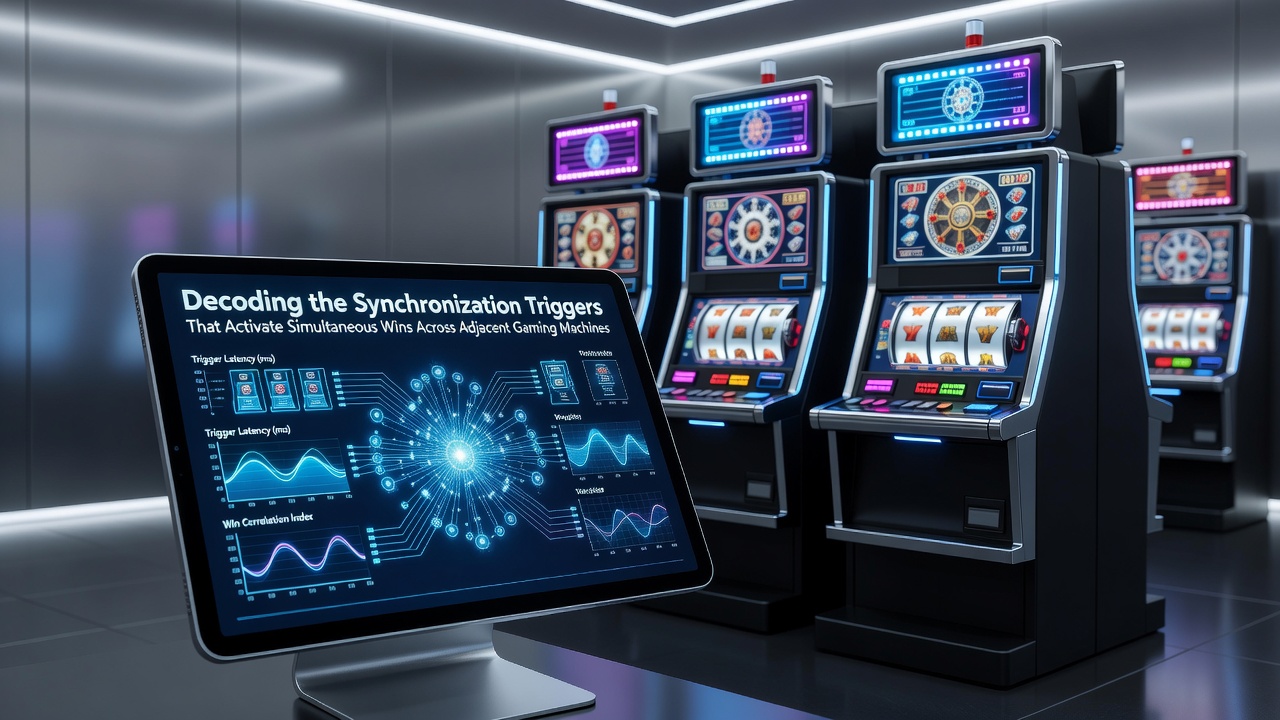
Decoding the Synchronization Triggers That Activate Simultaneous Wins Across Adjacent Gaming Machines
Adjacent gaming machines achieve coordinated payouts through centralized server architectures that monitor multiple terminals for specific event thresholds, and these systems rely on standardized communication protocols to align random number generator outputs across separate cabinets. Industry reports indicate that such linkages appear most frequently in progressive jackpot networks where a single prize pool draws contributions from dozens of devices operating in close physical proximity.
Core Technical Components
Modern synchronization begins with a central controller that assigns seed values to each connected machine while maintaining a shared state table updated every few milliseconds, and this setup allows the network to detect when cumulative bets or time-based counters reach predefined activation points. Observers note that manufacturers embed dedicated firmware modules to handle these exchanges, ensuring that a trigger event on one terminal propagates instantly to neighboring units without requiring manual intervention from floor staff.
Hardware interfaces typically consist of Ethernet connections routed through secure switches that isolate gaming traffic from general casino networks, while software layers use encrypted packets to transmit status updates. Data from equipment suppliers shows that packet latency remains below 50 milliseconds in properly configured installations, which prevents noticeable delays between machines during simultaneous win events.
Trigger Categories and Activation Logic
Three primary trigger types operate in current deployments: bet-threshold triggers that activate once total wagers across linked machines hit a target amount, time-synchronized triggers that align payouts at predetermined clock intervals, and symbol-match triggers that require identical reel outcomes on adjacent terminals within a narrow window. Each category uses distinct detection algorithms, yet all feed into the same central decision engine that authorizes the release of funds.
Studies conducted by the University of Nevada Reno Gaming Innovation Lab have documented how symbol-match triggers employ pattern recognition routines that compare reel positions across machines in real time, and these routines flag a match only when the random sequences converge within operator-defined tolerances. The same research further reveals that time-synchronized triggers often incorporate atomic clock references to maintain sub-second accuracy across large floor layouts.
Implementation Patterns Observed in 2026
As of July 2026, several North American casino groups have expanded their linked machine clusters to include 120 or more terminals per bank, with synchronization software updated to support dynamic prize allocation based on real-time contribution percentages. Australian regulatory filings indicate similar growth in multi-site progressive systems that connect machines across separate venues using wide-area network links.
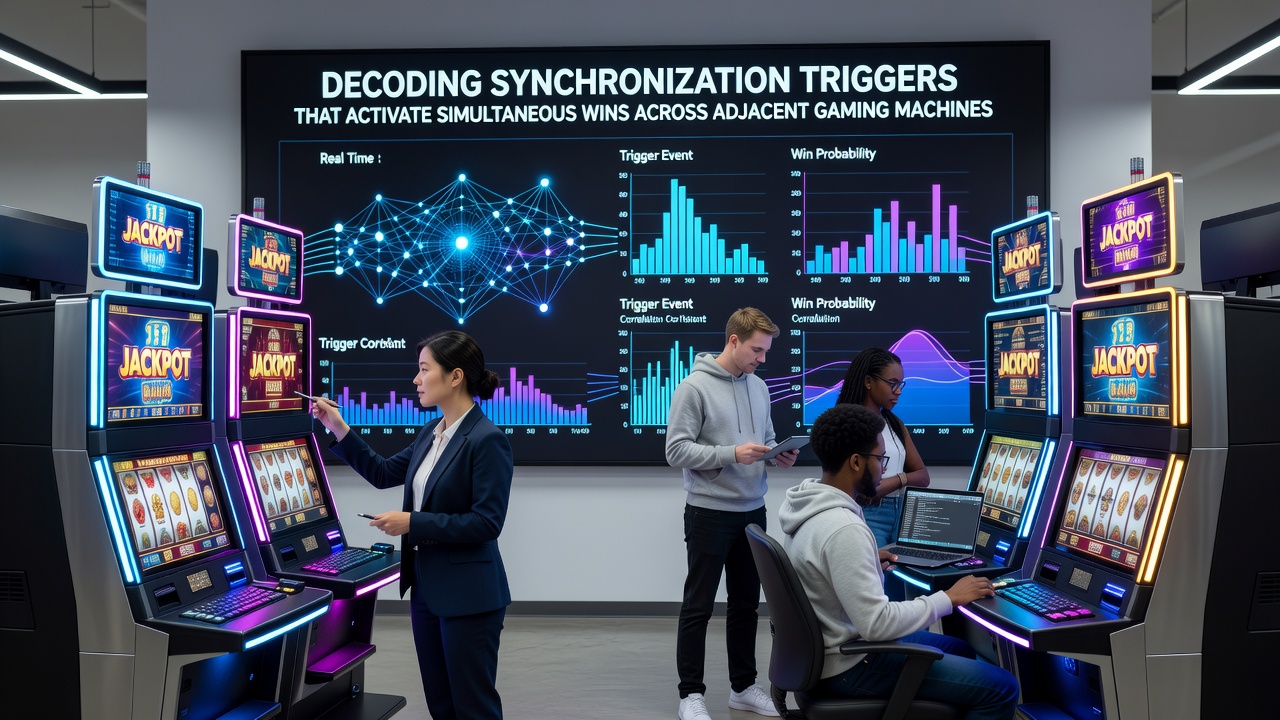
These expanded clusters require additional redundancy layers, including backup controllers that assume command if the primary server experiences an outage, and failover testing conducted quarterly confirms that payout authorization continues uninterrupted during simulated failures. Technicians report that the transition between primary and secondary controllers completes in under three seconds, preserving player trust in the integrity of simultaneous win events.
Security and Compliance Measures
Regulatory bodies in multiple jurisdictions mandate independent testing of synchronization code before deployment, and laboratories verify that no single point of failure can force unauthorized payouts or suppress legitimate triggers. Encryption standards follow guidelines issued by the Gaming Standards Association, which publishes specifications for secure messaging between gaming devices and central systems.
Access controls limit who can modify trigger parameters, requiring dual authorization from both the operator and the system vendor, while audit logs record every parameter change with timestamps accurate to the millisecond. These logs become subject to review during routine compliance inspections that occur at least twice annually in most regulated markets.
Future Protocol Developments
Engineers are currently evaluating blockchain-based ledgers to record every synchronization event across distributed nodes, an approach that could eliminate reliance on single central servers while maintaining verifiable audit trails. Early prototypes tested in controlled environments during the first half of 2026 demonstrated transaction confirmation times compatible with existing floor operations.
Integration with player tracking systems also continues to advance, allowing operators to adjust trigger sensitivity based on aggregated play patterns without altering the underlying random number generation process. Such adjustments remain subject to pre-approval by testing laboratories to ensure fairness metrics stay within established bounds.
Conclusion
Synchronization technology in adjacent gaming machines rests on precise coordination between hardware interfaces, software algorithms, and regulatory oversight, and ongoing refinements aim to increase both reliability and transparency. Continued monitoring by independent researchers and standards organizations will determine how these systems evolve beyond current implementations.