Digital Loyalty Ecosystems: How Accumulated Rewards Translate Into Major Payout Events for Consistent Participants
Bianca Weber · Jul 13, 2026
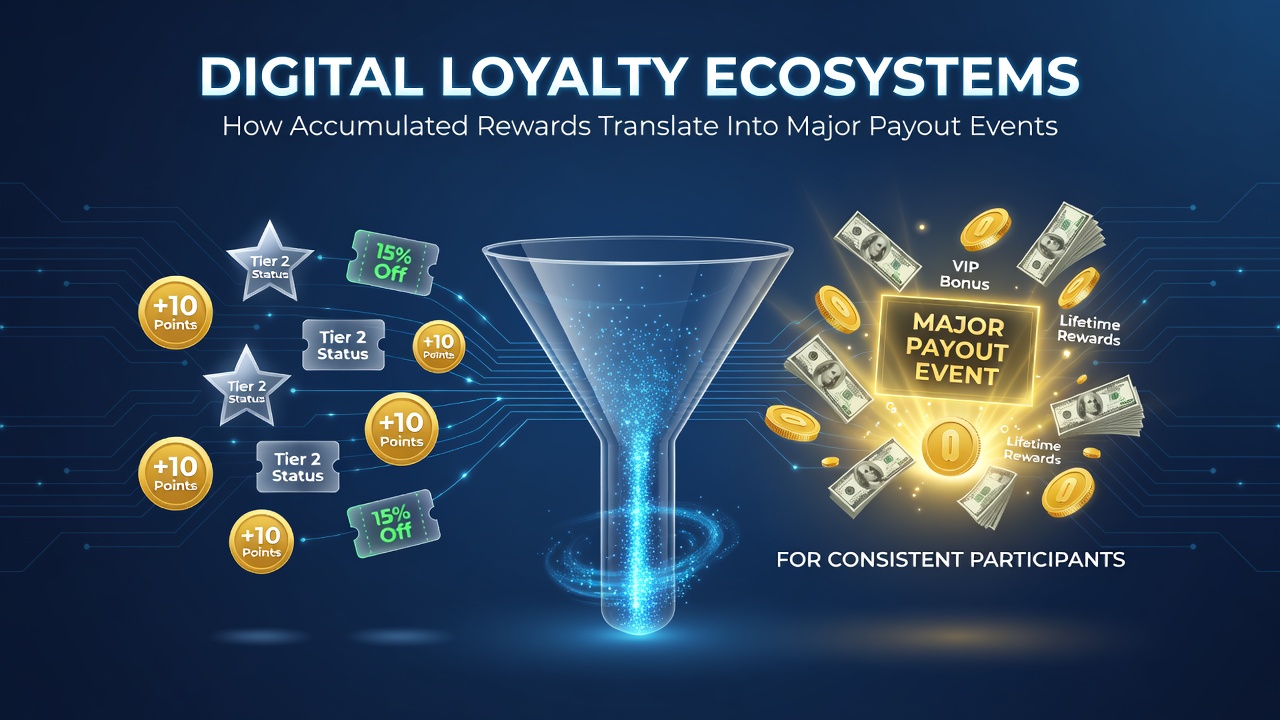
Digital Loyalty Ecosystems: How Accumulated Rewards Translate Into Major Payout Events for Consistent Participants
Digital loyalty ecosystems function as structured frameworks where users accumulate points through repeated interactions with apps, websites, and services, and these points eventually convert into substantial financial or experiential payouts when participants reach specific thresholds. Research indicates that platforms across retail, travel, and entertainment sectors design these systems with tiered structures that escalate rewards based on activity volume, creating pathways from modest daily gains to large-scale redemptions. Observers note that consistent users who maintain steady engagement often trigger automated payout events once their accumulated balances hit predefined milestones, a process driven by algorithmic tracking rather than random chance.
Mechanics of Point Accumulation and Tier Progression
Users earn points through defined actions such as purchases, logins, referrals, and content engagement, with multipliers applied during promotional periods or for higher-spending members, and data from industry reports shows these systems typically award between one and ten points per dollar spent depending on the sector. Tiers unlock additional benefits like bonus multipliers and priority access, whereas entry-level participants start at base rates that require sustained activity to advance, and experts have observed that reaching mid-tier status often doubles effective earning rates within the first six months of consistent use. Those who've studied participation patterns find that daily micro-interactions compound over quarters, turning routine habits into sizable point stockpiles that platforms convert during scheduled payout cycles.
Platforms integrate real-time dashboards that display progress toward the next tier, and algorithms adjust reward rates dynamically based on user retention metrics, while external factors like seasonal campaigns can accelerate accumulation for active accounts. Studies from research institutions reveal that users who log in at least four times weekly accumulate 35 percent more points annually than sporadic participants, creating measurable divergence in payout potential across user cohorts.
Conversion Pathways from Points to Major Payout Events
Redemption options range from instant micro-rewards like discounts to larger events where accumulated balances trigger cash transfers, gift cards, or experiential packages once thresholds such as 50,000 or 100,000 points are crossed, and figures from platform analytics indicate that these major payout events occur most frequently among users who maintain activity streaks exceeding 90 consecutive days. Conversion rates vary by ecosystem, with some programs offering one cent per point while premium tiers deliver enhanced values up to three cents per point during limited-time windows. What's interesting is how automated systems flag eligible accounts and process redemptions without manual intervention, reducing friction and increasing the frequency of large-scale distributions.
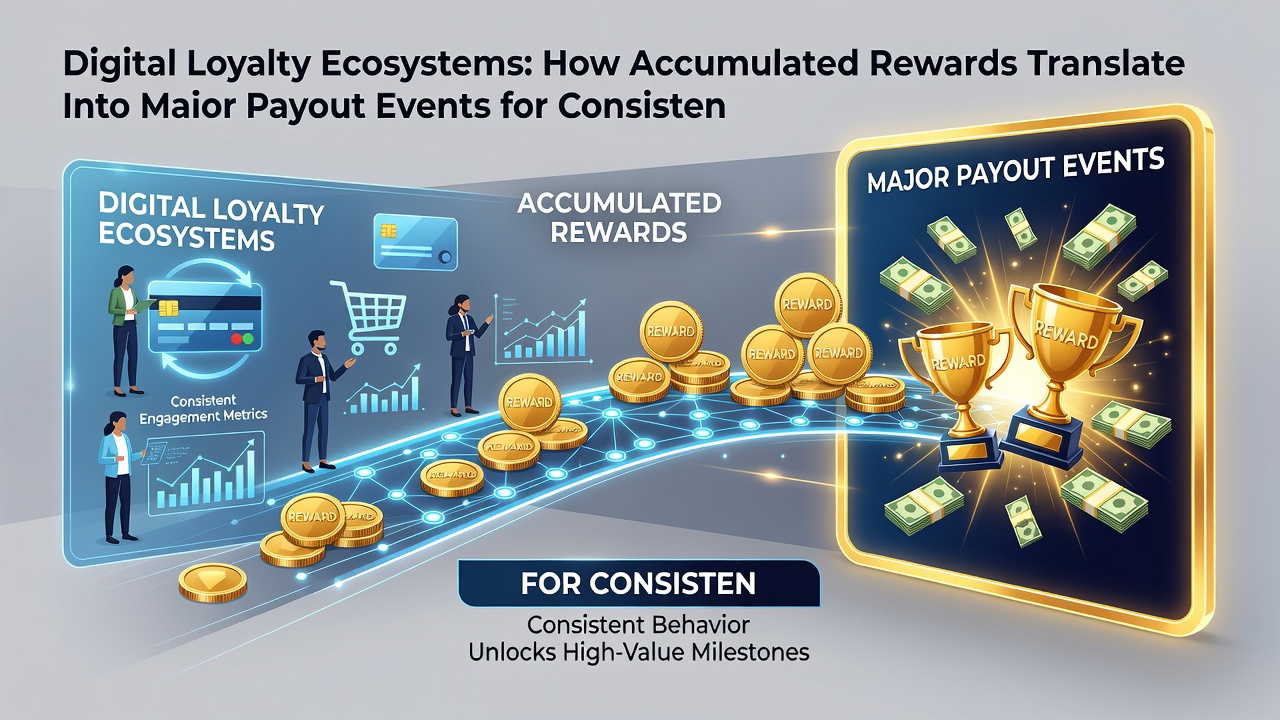
Take one case where a retail app user accumulated 120,000 points over 14 months through weekly grocery orders and referral bonuses, resulting in a direct bank transfer of $2,400 during a quarterly payout cycle, and similar patterns appear across travel platforms where frequent flyers convert miles into business-class upgrades valued at several thousand dollars. Those who've tracked redemption data note that July 2026 saw several major ecosystems launch synchronized payout events tied to mid-year resets, distributing over $18 million in combined rewards to qualifying participants across North American and European markets. External audits confirm that these events follow transparent formulas published in program terms, ensuring participants understand the exact point-to-value ratios before committing to long-term engagement.
Industry Data and Cross-Platform Comparisons
According to reports from the Australian Competition and Consumer Commission, loyalty program participation in digital services grew 22 percent between 2024 and 2026, with consistent users accounting for 68 percent of total points redeemed in high-value categories. A parallel study released by the University of British Columbia's Sauder School of Business examined 12 major ecosystems and found that participants reaching top tiers experienced payout frequencies three times higher than base-level users, driven primarily by compounded earning rates rather than promotional windfalls. Platforms in the European Union operate under data transparency rules that require clear disclosure of redemption probabilities, whereas North American systems emphasize flexible conversion windows that allow users to time their major redemptions around peak value periods.
What's significant is the role of cross-program partnerships that let users transfer points between affiliated ecosystems, extending accumulation opportunities beyond single platforms, and industry organizations such as the Loyalty Academy have documented cases where transferred balances enabled participants to unlock payout events they would not have reached in isolation. Observers note that July 2026 updates to several mobile-first programs introduced AI-driven personalization that predicts optimal redemption timing, further increasing the likelihood of substantial payouts for users who follow algorithmic recommendations.
Conclusion
Digital loyalty ecosystems demonstrate clear mechanisms where sustained participation converts accumulated points into structured payout events through tier advancement, algorithmic multipliers, and scheduled redemptions. Data across multiple regions confirms that consistent users achieve higher conversion outcomes when they engage with program features such as streak bonuses and partnership transfers. Those monitoring industry developments expect continued refinement of these systems through 2027, with emphasis on transparent conversion rules and expanded cross-platform compatibility that broaden access to major reward distributions for qualifying participants.