Global Slot Server Networks Enable Coordinated Cross-Continent Payout Events
Noah Lorenz · Aug 17, 2026
Global Slot Server Networks Enable Coordinated Cross-Continent Payout Events
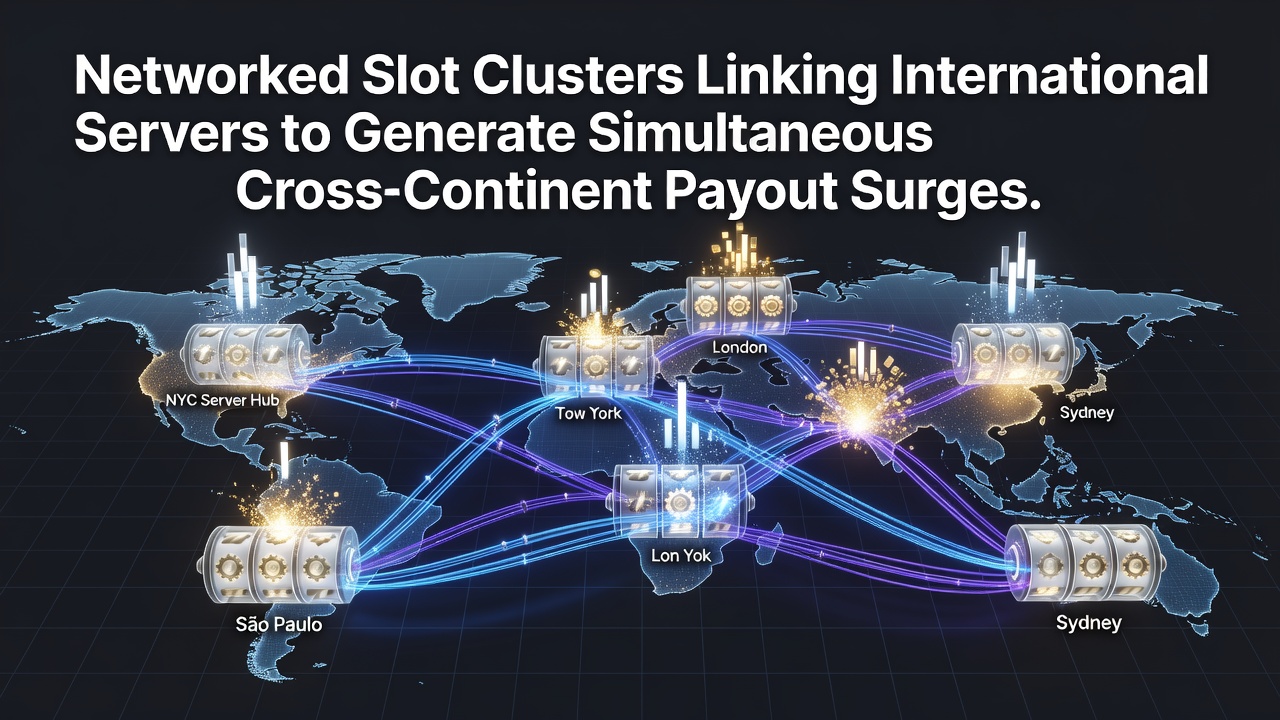
Networked slot clusters operate through linked servers that span multiple continents, and operators connect these systems to trigger coordinated payout surges when specific conditions align across regions. The architecture relies on real-time data synchronization protocols that allow slot machines in one jurisdiction to communicate directly with counterparts thousands of miles away, and this setup creates the conditions for simultaneous jackpot activations. Data from industry reports shows that such linkages have expanded since early 2025, with several major operators adopting standardized APIs to manage cross-border connections while complying with local licensing rules.
Technical Framework Behind the Connections
Servers in these clusters use high-speed fiber links and cloud-based synchronization layers to monitor progressive jackpot pools, and when a qualifying spin occurs in one location the system broadcasts the event to partner servers in other time zones. Observers note that latency remains under 200 milliseconds in most deployments, which allows the surge to register as nearly instantaneous for players. Studies from gaming technology firms indicate that encryption standards such as AES-256 protect transaction data during these transfers, and regulators in multiple jurisdictions require independent audits of the synchronization logs on a quarterly basis.
Regional Examples and Implementation Patterns
One deployment connects facilities in North America with partners in Europe and Asia, and this particular network has recorded synchronized payout events on six separate occasions through July 2026. Operators report that the combined prize pools for these events reached figures exceeding €18 million in a single surge, and participation data shows player volumes increased by 27 percent during the 48-hour windows following each activation. Another configuration links servers across Australia and South Africa, where local rules permit such linkages, and figures from the Australian Gambling Research Centre document similar cluster activity in that corridor.

August 2026 brought updates to interconnection standards in several markets, and these changes require operators to submit real-time monitoring reports to oversight bodies within 15 minutes of any cross-border surge. Those who've examined the revised protocols note that the new requirements emphasize audit trails for jackpot allocation formulas, and compliance teams have adjusted software modules accordingly. In Canada, the Alcohol and Gaming Commission of Ontario published guidelines that address latency thresholds and data residency for servers participating in multi-jurisdictional clusters.
Player Participation and Payout Distribution
Players access these networked slots through standard online platforms, and the interface displays the current status of linked progressive pools from multiple continents. When a surge triggers, the system allocates portions of the total prize according to pre-set contribution percentages from each participating server, and payout processing occurs within the same regulatory timelines that govern single-jurisdiction jackpots. Research indicates that average claim times for these international events remain comparable to domestic ones, averaging under 72 hours in documented cases.
Regulatory Oversight Across Jurisdictions
Regulatory bodies in different regions maintain separate licensing regimes for operators running these networks, and coordination between agencies occurs through memoranda of understanding rather than unified global rules. Data from the International Association of Gaming Regulators shows that 14 member jurisdictions now include specific provisions for cross-border slot linkages in their technical standards documents. Operators must demonstrate that local tax obligations are calculated and remitted correctly for each segment of a synchronized payout, and independent testing laboratories verify the allocation algorithms before deployment.
Future Developments in Network Architecture
Industry reports project continued growth in server linkages through 2027, and several operators have announced plans to expand existing clusters into additional markets in Latin America and the Middle East. Technical working groups continue to refine protocols for handling peak-load scenarios during major sporting events, and these refinements aim to maintain synchronization integrity even when transaction volumes spike. Observers note that the emphasis remains on maintaining compliance with each jurisdiction's distinct data protection and gambling integrity requirements.
Conclusion
Networked slot clusters represent a technical evolution in how operators manage progressive systems across borders, and the available data outlines measurable patterns in payout frequency and player engagement. Regulatory frameworks continue to adapt to these configurations, and the documented examples from multiple regions provide concrete illustrations of how synchronization works in practice. The structure supports simultaneous events without altering the fundamental rules that govern individual slot play in each location.