Illegal Gambling Boom Alarms UK Industry Leaders at BGC Annual Meeting
Noah Lorenz · Mar 31, 2026

Illegal Gambling Boom Alarms UK Industry Leaders at BGC Annual Meeting
The Surge in Unregulated Betting Takes Center Stage
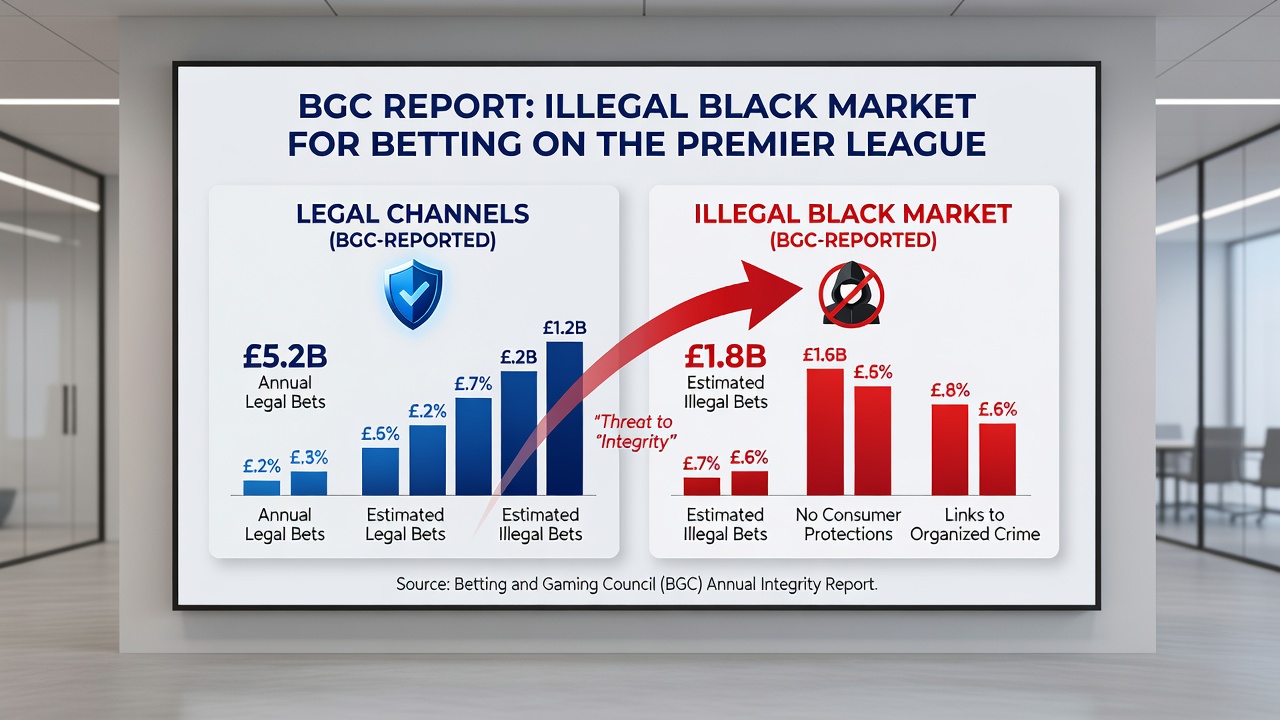
At the Betting and Gaming Council's (BGC) Annual General Meeting held in Britain during March 2026, industry leaders laid bare a stark reality: illegal gambling has exploded, with estimates pointing to 1.5 million users pouring £10 billion annually into unregulated platforms; that's now 10-12% of all gambling activity, a dramatic leap from just 0.5% five years prior. Observers note how this underground shift, fueled by offshore operators evading UK rules, threatens both revenue and player safety, while BGC Chief Executive Grainne Hurst underscored the urgency, calling it a "ticking time bomb" for the regulated sector.
What's interesting is the speed of this rise; data from the meeting reveals how unlicensed sites, often hosted abroad, lure players with lax limits and unverified odds, drawing in everyone from casual bettors to high rollers who might otherwise stick to licensed operators. And as Hurst explained, these platforms skip essential safeguards like age checks and self-exclusion tools, leaving vulnerable users exposed to unchecked risks.
But here's the thing: this isn't just numbers on a slide; real people fuel this trend, with researchers tracking a 20-fold increase in illicit activity over half a decade, much of it via apps and sites that mimic legitimate ones but operate in legal gray zones.
Tax Hikes and Risk Checks Stir Fears of Further Offshore Flight
Concerns mounted during the AGM over impending policy changes, including a proposed jump in Remote Gaming Duty to 40%—up from current levels—and the rollout of Financial Risk Assessments, which industry voices fear could shove even more activity overseas; after all, higher taxes squeeze margins for UK-licensed firms, making dodgy offshore alternatives look tempting to cost-conscious operators and punters alike. Grainne Hurst warned that such moves, while aimed at curbing problem gambling, risk backfiring by accelerating the exodus to unregulated markets where oversight is minimal.
Experts at the meeting pointed to patterns seen elsewhere, like in other European nations where similar tax pressures correlated with spikes in black-market betting; one study cited showed a 15% uptick in illegal wagering post-duty increases, and UK leaders worry history might repeat here. That said, the BGC pushes for balanced reforms, arguing that tougher enforcement on illicit operators, rather than burdening the compliant sector, offers the smarter path forward.
Turns out, attendees heard how Financial Risk Assessments—mandated checks on customer affordability—add compliance headaches for legal platforms, potentially pricing out lower-stakes players who then drift to no-questions-asked offshore sites; it's a vicious cycle, where good intentions clash with market realities.
Government Steps Up with Funding and a New Taskforce
In response to the crisis, the UK government announced £26 million in fresh funding for the Gambling Commission, bolstering its enforcement muscle just as illegal activity hits record highs; this cash injection supports expanded monitoring, investigations, and tech upgrades to hunt down rogue operators more effectively. And alongside that, officials unveiled the Illegal Gambling Taskforce, uniting tech firms, payment providers, law enforcement, and regulators in a coordinated crackdown—think blocked transactions, site takedowns, and AI-driven detection of illicit flows.
Ian Angus, representing the Gambling Commission, detailed how the taskforce leverages data-sharing across sectors; payment giants now flag suspicious deposits to offshore sites, while tech companies deploy tools to shadow-ban illegal apps, cutting off their UK reach at the source. Minister Baroness Fiona Twycross emphasized the human cost, noting how unregulated gambling amplifies harm to vulnerable consumers—those battling addiction or financial woes—who lack the protections of licensed venues.
Now, with March 2026 marking this pivotal moment, observers watch closely as the taskforce ramps up; early indicators show promise, like a pilot program that shuttered dozens of rogue sites in recent months, reclaiming some market share for the regulated space.
Key Voices Shape the Debate
Grainne Hurst led the charge for the BGC, painting a vivid picture of an industry under siege, where £10 billion in lost bets equals vanished tax revenue and heightened player risks; her call for "smarter regulation" resonated, urging policymakers to prioritize enforcement over punitive taxes. Ian Angus brought the regulatory perspective, outlining Commission stats that peg illegal gambling's share at 10-12%, with 1.5 million active users—a figure derived from transaction traces and user surveys that paint an alarming portrait.
Baroness Fiona Twycross, speaking for the government, didn't mince words: increased harm looms large if offshore trends continue, especially since vulnerable groups flock to sites without deposit caps or reality checks; her backing of the £26 million boost and taskforce signals commitment, yet she acknowledged the tightrope walk between protection and industry viability.
There's this case from the meeting where one operator shared anonymized data showing 20% of their at-risk customers vanishing to illicit platforms post-tax hike previews— a stark reminder of how policy ripples affect real behaviors. And as Hurst noted, collaboration remains key; the taskforce exemplifies that, pulling in diverse players to stem the tide.
Breaking Down the Numbers
- 1.5 million users on unregulated sites annually.
- £10 billion wagered, equating to 10-12% of total UK gambling activity.
- Up from 0.5% just five years ago—a 20-24 fold surge.
- £26 million new funding for Gambling Commission enforcement.
- Remote Gaming Duty eyeing 40% hike, sparking offshore worries.
These figures, drawn from BGC analyses and Commission reports, underscore the scale; for context, legal operators contribute billions in duties yearly, yet illicit flows siphon that away unchecked.
Broader Implications for Players and Operators
People who've studied this space know the stakes: regulated gambling funds problem gambling support via levies, but offshore voids that, starving charities while exposing users to scams and addiction traps; one researcher highlighted cases where punters lost life savings on fake sites promising "guaranteed wins," with no recourse under UK law. So the taskforce targets payment chokepoints—credit cards, e-wallets—making it harder to fund illicit bets seamlessly.
Yet challenges persist; offshore operators adapt quickly, using crypto or VPNs to dodge blocks, which is why the £26 million will fund advanced analytics to stay ahead. It's noteworthy that tech firms, once part of the problem via ad networks, now pivot to solutions, deploying algorithms that scan for gambling keywords in app stores and traffic patterns.
Operators in the room shared war stories: legitimate sites losing traffic to clones that poach customers with bonus bait, only for those players to face rigged odds later; the writing's on the wall, as Hurst put it, for a united front if the regulated market is to thrive.
Conclusion
The BGC Annual General Meeting in March 2026 crystallized a defining moment for UK gambling, where a surge to 1.5 million illegal users and £10 billion in shadow bets collides with tax pressures and bold government countermeasures like the £26 million infusion and Illegal Gambling Taskforce; as Grainne Hurst, Ian Angus, and Baroness Fiona Twycross laid out, the path forward hinges on enforcement muscle, tech alliances, and policies that safeguard consumers without repelling the compliant industry. Details from the event, covered in depth by Yogonet's report, reveal a sector at the crossroads—poised for crackdowns that could reclaim lost ground, or risk deeper entrenchment of the unregulated underbelly if momentum falters. Observers await taskforce results, betting the ball's now squarely in collaborative hands.