Interconnected Digital Platforms Powering Group Milestone Successes in Virtual Gambling Arenas
Bianca Weber · Jul 8, 2026
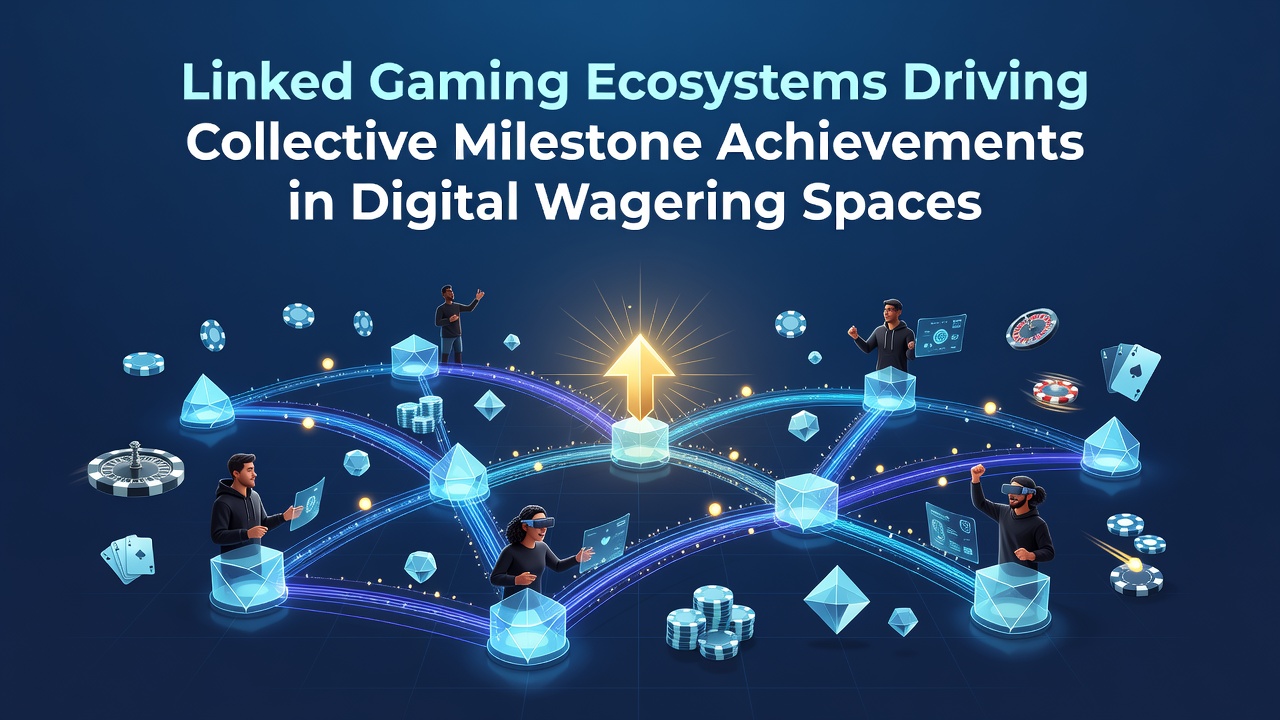
Interconnected Digital Platforms Powering Group Milestone Successes in Virtual Gambling Arenas
Linked gaming ecosystems have expanded across digital wagering spaces where multiple platforms connect through shared databases and progress tracking systems, allowing participants to contribute toward common objectives that unlock rewards for entire user groups. These networks operate by pooling data from slot machines, table games, and sports betting interfaces so that individual actions feed into larger collective counters. Research from the University of Nevada's gaming studies division shows that such systems emerged in the early 2020s and have since scaled to cover thousands of concurrent users across regions.
Operators integrate application programming interfaces that synchronize player activity in real time, and this setup enables milestones such as total bets placed or specific combination wins to trigger bonuses distributed to everyone who participated during the tracking period. Data from the Australian Gambling Research Centre indicates participation rates in these linked programs rose steadily through 2025, with similar patterns appearing in North American markets by mid-2026.
Mechanics Behind Shared Progress Tracking
Each connected game feeds metrics like wager volume, spin counts, or hand outcomes into a central ledger, and algorithms calculate when thresholds are met before distributing credits or free plays. Players see progress bars that update across sessions even when they switch between different titles within the same ecosystem, while the system records contributions anonymously to maintain privacy standards. Observers note that this structure encourages longer engagement periods because visible collective movement creates ongoing momentum without requiring constant individual leadership.
One implementation in Canadian online casinos links progressive jackpot pools across dozens of slot variants, and when the combined total reaches set targets the network releases tiered payouts that scale with each participant's contribution level. Figures from the Canadian Gaming Association reveal that these linked pools accounted for roughly 18 percent of total digital gaming revenue in the first half of 2026.
Examples of Milestone Achievements Across Platforms
Networks have recorded instances where thousands of users collectively reached a billion-wager mark within a single month, triggering site-wide reward events that included multiplier boosts and entry into exclusive tournaments. In one documented case from a European operator group, a cross-game challenge required combined wins on roulette, blackjack, and video poker, and completion unlocked a shared prize pool valued at several million euros distributed proportionally. Those who studied these events found that retention metrics improved by double-digit percentages during active milestone periods compared with standalone game offerings.

Additional cases involve sports betting ecosystems where linked parlay trackers accumulate correct predictions from separate users, and successful completion of group forecasts activates cashback or bonus credit releases for all involved accounts. Data compiled by the National Council on Problem Gambling in the United States highlights how these systems maintain strict spend limits and self-exclusion protocols that apply uniformly across connected platforms, ensuring regulatory compliance remains consistent.
Technical Infrastructure and Security Measures
Developers rely on blockchain-inspired ledgers and encrypted cloud servers to verify each transaction feeding into the milestone counters, and this architecture prevents tampering while allowing audits by independent testing laboratories. Multiple jurisdictions now require regular certification of these linked systems, and compliance reports must detail how contributions are calculated and rewards allocated. Experts have observed that security protocols include real-time anomaly detection which flags unusual activity patterns before they influence collective totals.
Integration with mobile applications further extends access, allowing users to monitor progress and switch games seamlessly on handheld devices, while background synchronization keeps all connected accounts aligned. Industry reports from the European Gaming and Betting Association note that mobile-linked ecosystems grew faster than desktop-only versions through July 2026, driven by improved connectivity standards and broader device compatibility.
Regulatory Considerations in Different Regions
Authorities in various markets have begun issuing guidelines specific to interconnected wagering tools, focusing on transparency around how group milestones are defined and how prize distributions occur. These rules often mandate clear disclosure of contribution percentages and eligibility criteria so participants understand the mechanics before joining. Licensing bodies in Asia-Pacific territories have introduced pilot programs that test oversight mechanisms for cross-border linked networks, and early results show reduced dispute volumes when clear audit trails exist.
Operators respond by embedding compliance features directly into the ecosystem software, including automated reporting that sends aggregated data to regulators without exposing individual player identities. Such measures align with broader responsible gaming frameworks that emphasize player protection across all participating sites.
Conclusion
Linked gaming ecosystems continue to reshape digital wagering by turning isolated play sessions into coordinated group efforts that culminate in shared achievements. Technical advancements, regulatory adaptations, and expanding geographic reach suggest these systems will maintain their role in the sector through subsequent years, supported by ongoing data collection from academic and industry sources worldwide.