International Betting Consortia Employ Analytics for Synchronized Multi-Event Coordination
Devon Ludwig · Jun 22, 2026
International Betting Consortia Employ Analytics for Synchronized Multi-Event Coordination
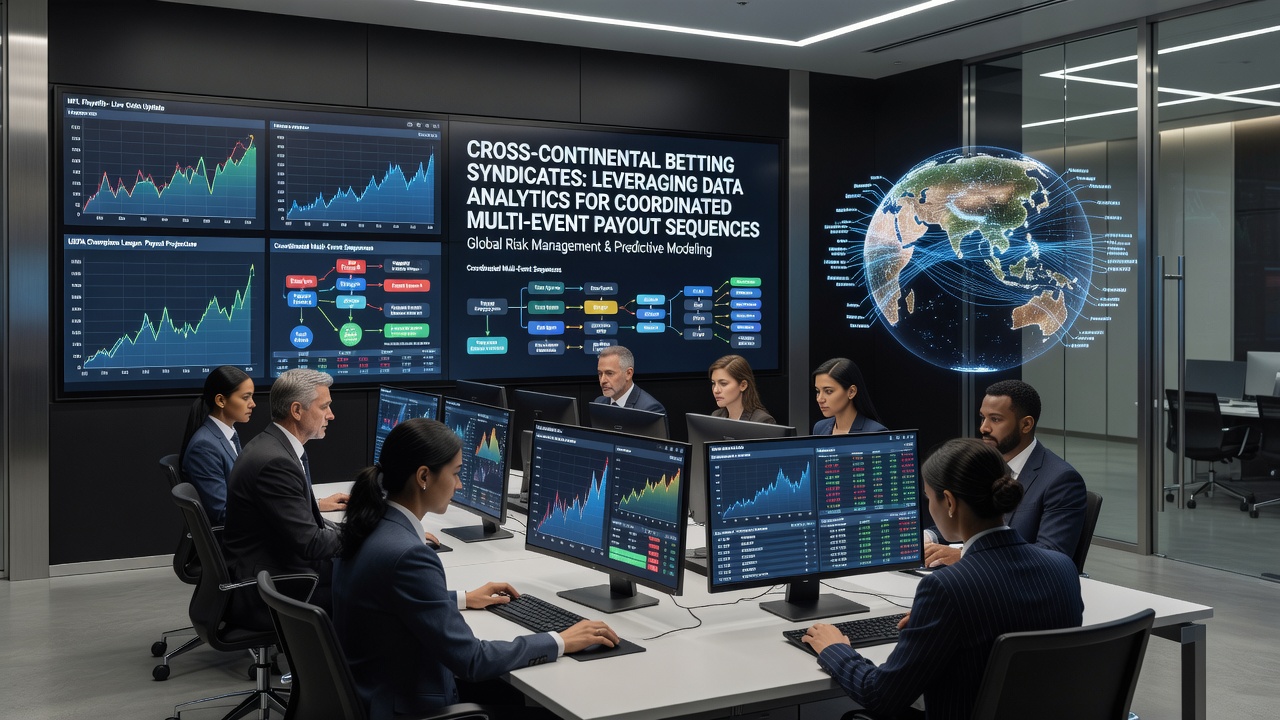
Cross-continental betting syndicates have developed sophisticated operations that combine data analytics with coordinated wagering across multiple events, and these groups focus on aligning outcomes in sequences that span different continents and time zones. Operators gather information from sports leagues, financial markets, and entertainment events while processing large volumes of historical results, live feeds, and statistical models to identify potential correlations. Researchers at institutions such as the University of Nevada Las Vegas have documented how such networks structure their activities around predictive algorithms that attempt to synchronize payouts from several simultaneous or sequential bets.
Operational Structures Across Regions
Syndicate teams maintain hubs in major financial centers and regulatory jurisdictions, which allows them to access diverse data streams without interruption from single-country restrictions. Analysts in one location monitor European football matches while colleagues track North American basketball and Australian horse racing, and they share processed insights through encrypted channels that update models in real time. Data indicates these arrangements often rely on machine learning systems trained on years of event outcomes, and the systems flag combinations where small edges might compound across linked wagers. Observers note that coordination becomes especially relevant during periods when major tournaments overlap, such as the June 2026 international competitions scheduled across multiple continents.
Data Sources and Analytical Methods
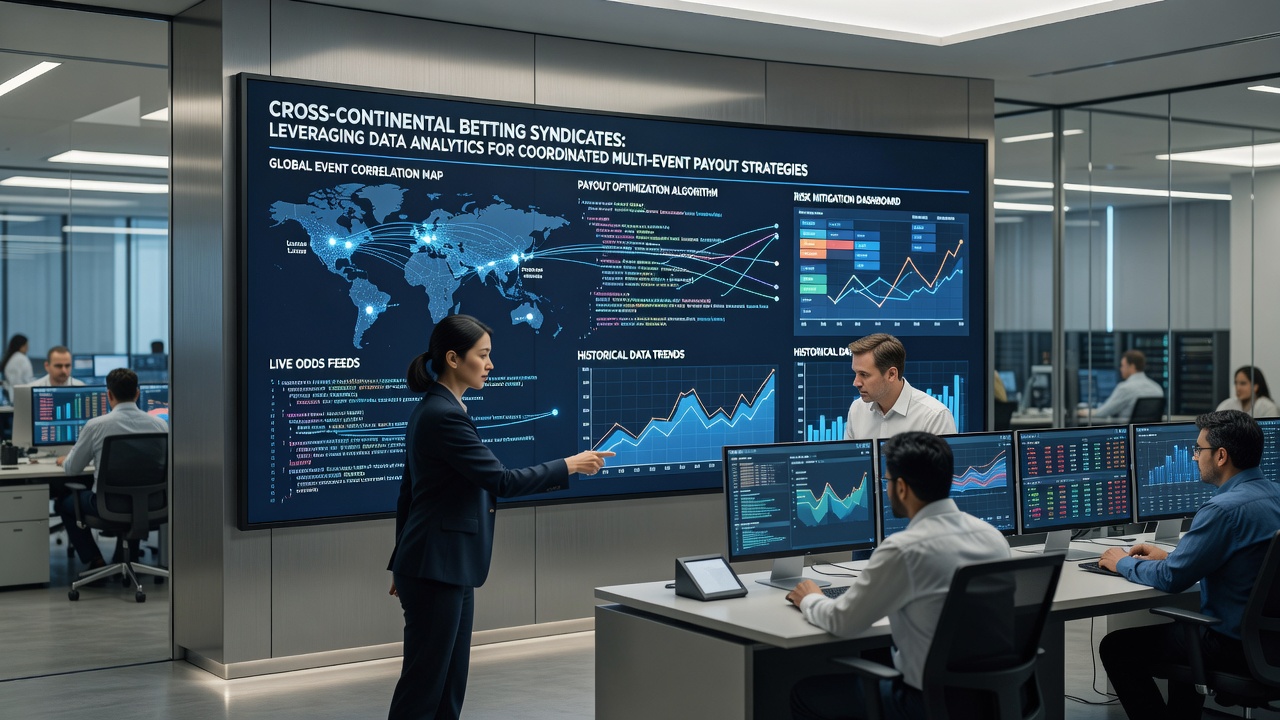
Teams collect information from official league databases, weather services, player performance trackers, and betting exchange movements, then apply statistical techniques including regression analysis, Monte Carlo simulations, and network graphing to map possible payout sequences. Reports from the Alcohol and Gaming Commission of Ontario highlight similar data practices in licensed environments, although unlicensed syndicates extend these methods across borders where oversight differs. The process involves continuous model refinement, with algorithms adjusting probabilities as new data arrives from venues in Asia, Europe, and the Americas. Experts have observed that successful coordination requires low-latency connections between locations, and syndicates invest in infrastructure that minimizes delays when placing or adjusting positions on multiple events.
Coordination of Multi-Event Sequences
Once models identify candidate sequences, operators divide responsibilities so that individual members handle specific events while maintaining an overview of the entire chain. One participant might place initial stakes on an early match in Asia, another adjusts mid-sequence bets on European fixtures, and a third finalizes positions on North American outcomes, and all actions follow pre-agreed parameters derived from the shared analytics platform. This division reduces exposure to single-point failures and allows rapid response if conditions change. Studies from the Australian Institute of Criminology have examined how such distributed structures operate in transnational contexts, noting the emphasis on timing precision and risk allocation across participants.
Regulatory and Technical Considerations
Jurisdictions apply varying rules to coordinated betting activities, which prompts syndicates to monitor legislative changes in real time and adjust operational footprints accordingly. Technical teams focus on maintaining secure data pipelines and redundant systems that support uninterrupted analysis even during high-volume periods such as the June 2026 schedule of overlapping global events. Industry associations including the European Gaming and Betting Association publish periodic overviews of technological developments in the sector, and these documents describe the increasing role of advanced analytics in both licensed and unlicensed operations. Participants also track exchange rate fluctuations and payment network reliability, since cross-border fund movements form an essential part of sequence execution.
Case Examples from Recent Periods
Documented instances show syndicates targeting sequences that link outcomes from tennis tournaments in Australia, football fixtures in South America, and basketball games in North America within the same 48-hour window. Analysts cross-reference player availability data, historical head-to-head records, and live market movements to calibrate stake sizes at each stage. One study revealed that timing adjustments made minutes before event starts can shift projected returns when multiple correlated variables align. Those who have examined these operations emphasize the importance of maintaining separation between data collection teams and execution teams to limit information leakage.
Conclusion
Cross-continental betting syndicates continue to refine their use of data analytics for coordinating multi-event payout sequences, and the approach integrates global information sources with distributed operational models. Regulatory bodies across regions maintain ongoing oversight while technical advancements support more complex coordination strategies. As international event calendars grow denser, particularly around periods like June 2026, the interplay between analytics capabilities and jurisdictional frameworks shapes how these networks function.