Layered Reward Systems Connecting Global Digital Gaming Platforms
Devon Ludwig · May 18, 2026
Layered Reward Systems Connecting Global Digital Gaming Platforms
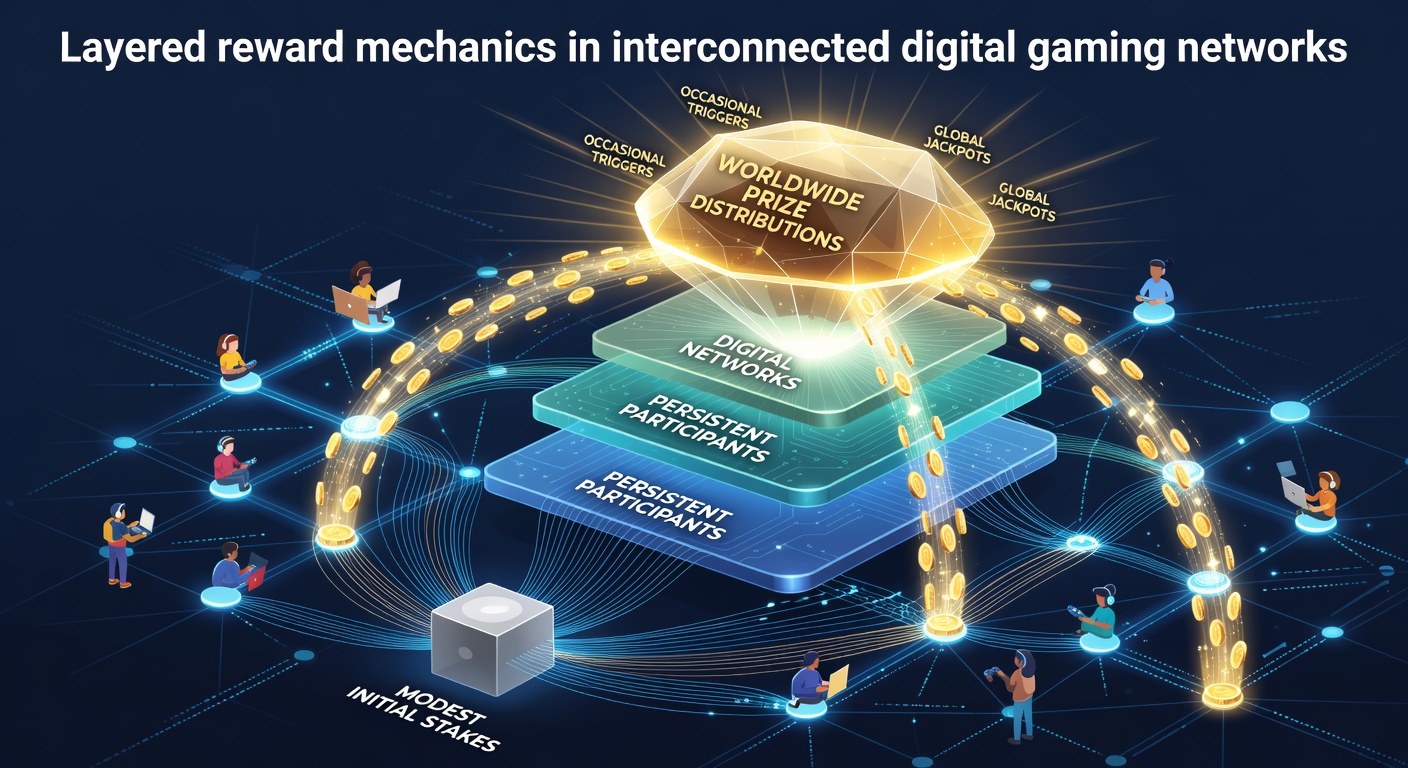
Digital gaming networks have developed layered reward mechanics that link modest initial stakes to occasional worldwide prize distributions among persistent participants, and these structures operate through interconnected platforms spanning multiple regions and device types. Data from industry reports indicate that such systems combine base-level participation with progressive tiers, where consistent engagement unlocks access to shared pools funded by aggregated contributions across users.
Core Mechanics of Tiered Reward Structures
Participants enter these networks through standard gameplay sessions that require small entry amounts, yet the architecture accumulates portions of each stake into multi-level reserves. Observers note that lower tiers handle routine distributions while higher layers aggregate resources for larger events, and this separation allows modest bets to contribute indirectly to global payouts without direct escalation in individual risk. Researchers at academic institutions have documented how these progressions function via algorithmic tracking of player persistence, including session frequency and cumulative activity metrics.
One study from the University of Nevada Las Vegas Gaming Innovation Lab revealed that networks employing these mechanics distribute prizes when specific thresholds of total participation are met, and the process often occurs during scheduled synchronization periods across servers located in different time zones. Persistent players advance through defined stages that grant multipliers or eligibility flags, and these flags connect their accounts to broader prize events that draw from worldwide player bases.
Interconnections Across Platforms and Regions
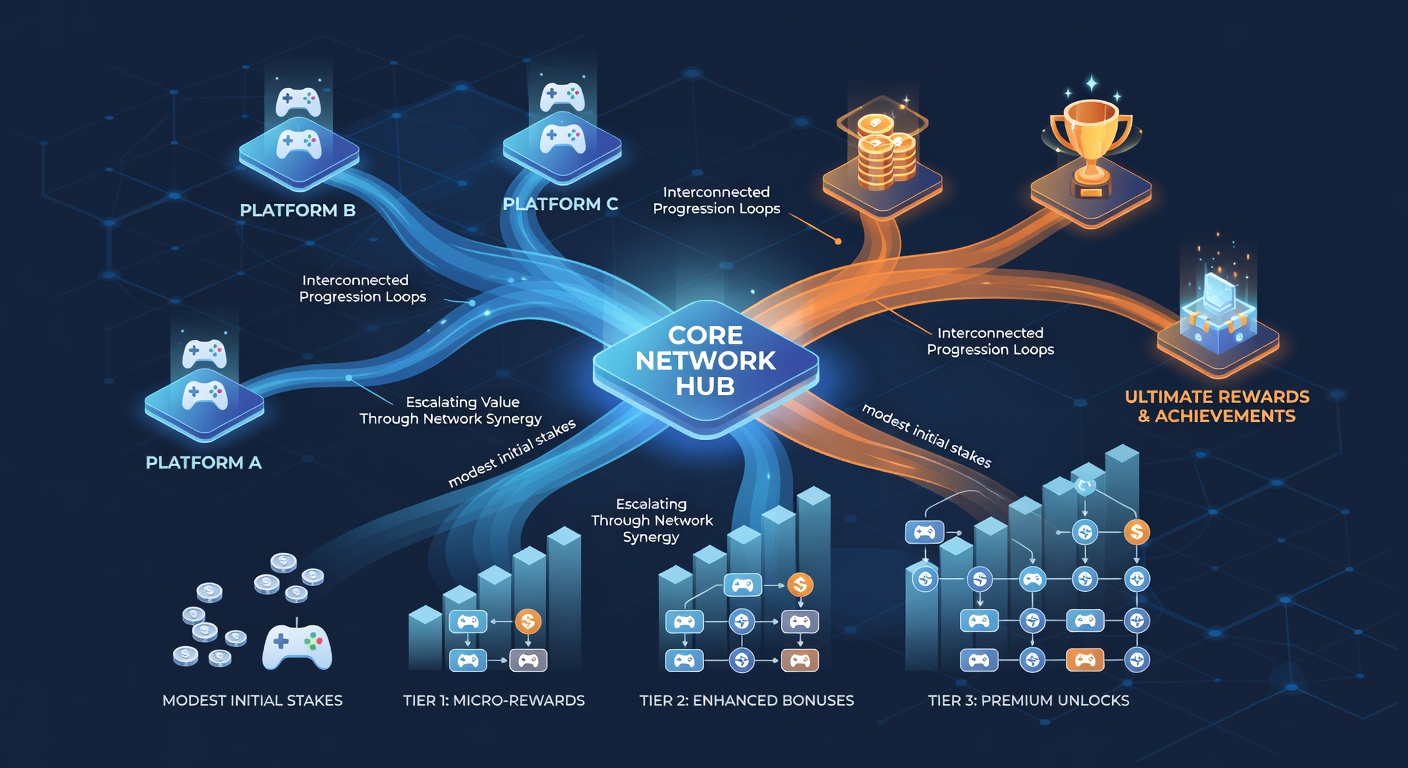
Interconnected networks rely on standardized protocols that enable data sharing between operators in North America, Europe, and Asia-Pacific markets, which facilitates the pooling of resources from varied regulatory environments. Figures from the American Gaming Association show steady growth in cross-border digital integrations, with participation numbers rising as platforms adopt unified reward ledgers that track contributions from each region separately yet combine them for final distributions.
Take the example of a mid-tier player who logs regular sessions on a mobile application linked to a desktop portal, and the system registers incremental additions to a central reserve that periodically releases funds to qualifying accounts worldwide. Such patterns have appeared in operational logs examined by analysts at the European Gaming and Betting Association, where modest stakes from thousands of users converge to support occasional large-scale awards.
Developments Observed Around May 2026
By May 2026 several major operators completed upgrades to their synchronization engines, allowing real-time updates to reward tiers across continents while maintaining compliance with local oversight requirements. Regulatory bodies in Canada and Australia reported increased monitoring of these interconnected systems to ensure transparent allocation of pooled funds, and data collected during that period indicated higher volumes of cross-network prize triggers compared with earlier years.
Industry organizations tracked how persistent participants benefited from accumulated eligibility markers that activated during these synchronized events, and the resulting distributions reached accounts in multiple jurisdictions simultaneously. What's interesting is the way smaller contributions from early-stage players continued feeding into higher reserve levels even after initial rewards had been claimed, creating ongoing momentum within the network structure.
Technical Frameworks Supporting Persistence Tracking
Developers implement database architectures that log every qualifying action in immutable records, which enables accurate calculation of tier advancement and global eligibility. According to documentation from the International Association of Gaming Regulators, these frameworks incorporate redundancy measures to prevent data loss during peak synchronization windows, and they support verification processes that confirm participant status before releasing any worldwide prizes.
Persistent engagement often involves repeated interactions with core game loops that feed data into the layered system, and analysts observe that this repetition strengthens an account's position within the overall distribution queue. Networks in this category frequently update their contribution percentages based on total network volume, adjusting the flow from base stakes to reserve pools in response to aggregate activity levels reported across all connected servers.
Conclusion
Layered reward mechanics in interconnected digital gaming networks continue to evolve through refinements in tracking technology and cross-regional data protocols. Evidence from regulatory filings and academic examinations shows that modest initial stakes contribute to structures capable of generating worldwide prize distributions for those who maintain consistent participation over time. Operators and oversight entities monitor these systems to balance growth with operational integrity, while the underlying mechanics remain grounded in aggregated contributions and tier-based eligibility criteria.