Mechanics Behind Linked Progressive Jackpots Fueling Interconnected Wins Across Digital Casino Networks
Bianca Weber · Aug 19, 2026
Mechanics Behind Linked Progressive Jackpots Fueling Interconnected Wins Across Digital Casino Networks
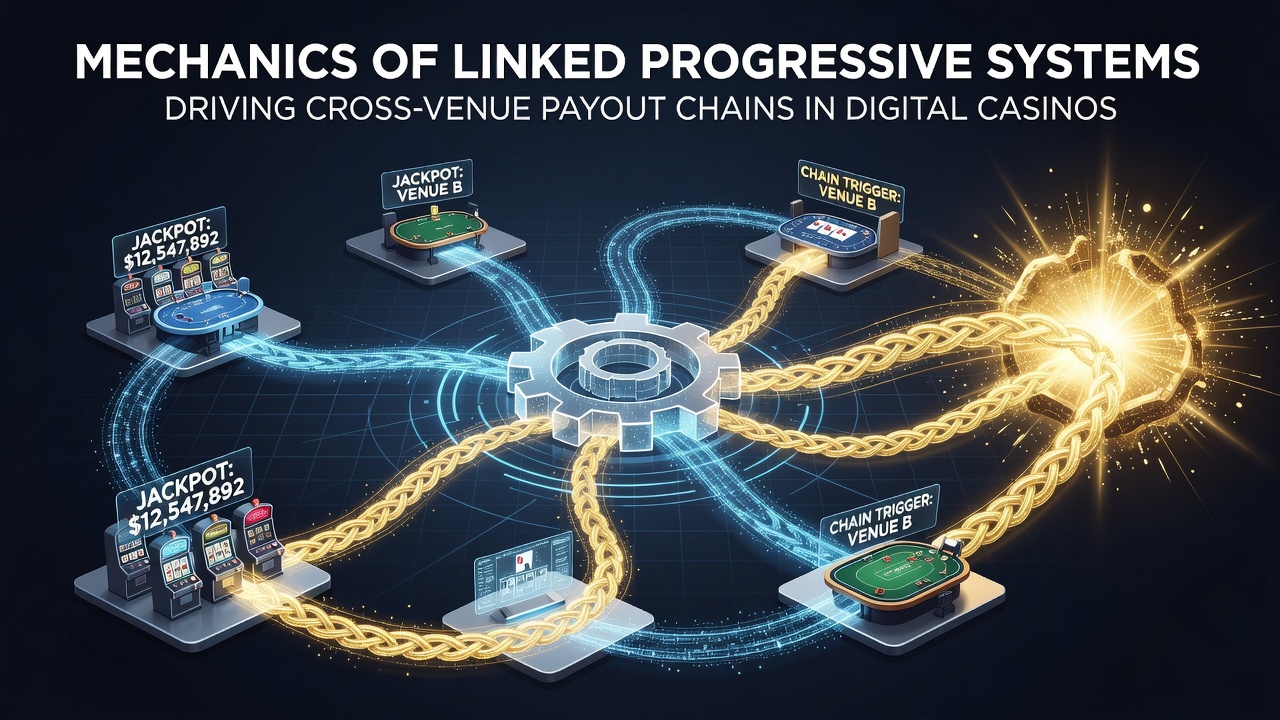
Linked progressive systems operate through centralized servers that pool contributions from numerous digital casino games and platforms, creating larger prize pools that trigger across multiple venues when specific conditions align. These networks accumulate a percentage of each wager placed on participating slots or table games, then distribute the growing jackpot once a qualifying combination appears at any connected location.
Core Components of Linked Progressive Architecture
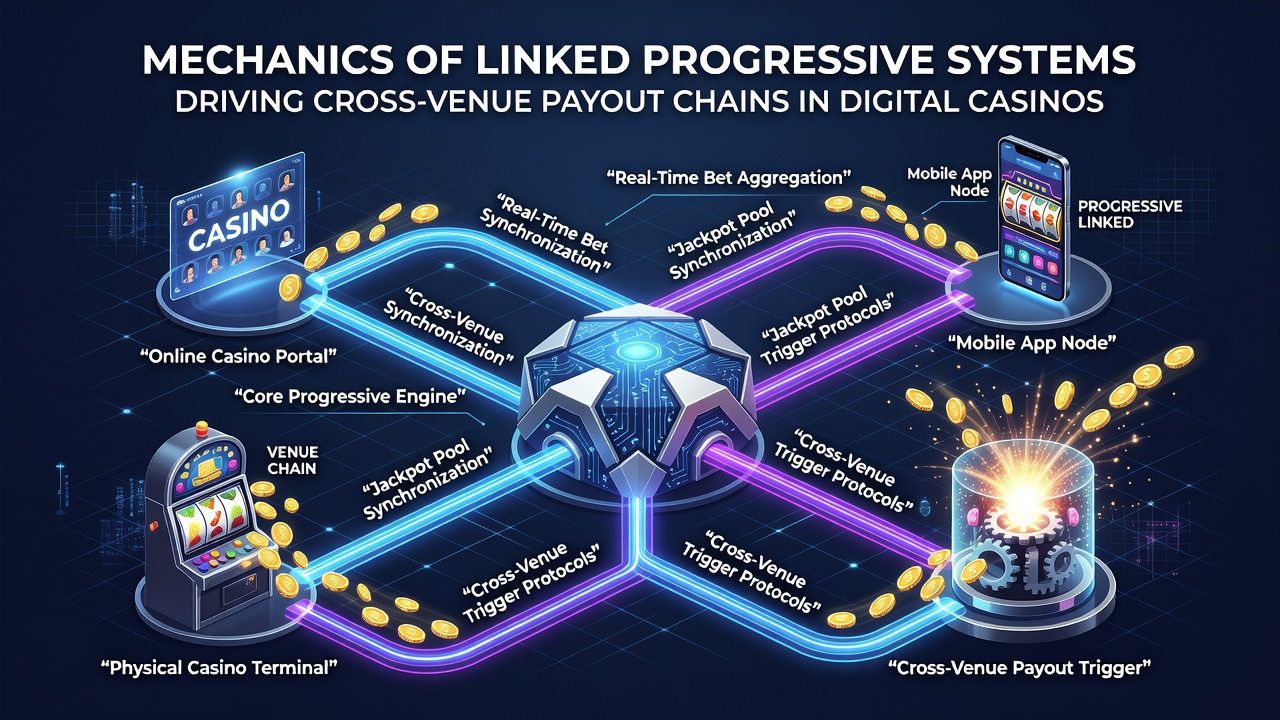
Operators connect individual game instances to a master controller that tracks real-time contributions from every participating machine or online session, and this controller updates the visible jackpot meter visible to players across all linked sites. The system relies on secure data transmission protocols that synchronize bet data within milliseconds, ensuring the pool reflects current activity without discrepancies between venues. Random number generators at each terminal determine outcomes locally while the central server handles only the progressive accounting and trigger verification.
Contributions typically range from 1 to 3 percent of each bet, flowing into tiers that include mini, minor, major, and grand levels, with the grand level accumulating across the broadest network of casinos. When a player hits the required symbols or bonus round at one venue, the system verifies the win through encrypted authentication before awarding the current pool amount and resetting that tier to its seed value.
Cross-Venue Payout Chain Dynamics
Cross-venue chains emerge when the linked network spans multiple operators or jurisdictions, allowing a single jackpot trigger to draw from aggregated funds collected at distant locations. Data from industry reports shows these multi-site configurations often produce jackpots exceeding several million dollars because the player base expands beyond any single casino's traffic. The payout process involves immediate fund transfer through established payment processors that comply with regional financial regulations, followed by tax reporting handled automatically by the central system.
Network administrators monitor for simultaneous bonus activations that could theoretically chain multiple tier resets within minutes, though such events remain rare due to probability constraints built into the random number algorithms. In August 2026, several major platforms reported expanded linkage agreements that incorporated additional European and North American sites into existing progressive pools.
Technical Safeguards and Verification Protocols
Security layers include independent third-party audits that test both the random number generators and the progressive contribution calculations at regular intervals, while blockchain-based logging has appeared in newer implementations to create immutable records of every bet contribution and payout event. Regulatory bodies such as the Nevada Gaming Control Board require operators to maintain detailed logs that allow reconstruction of any jackpot event for dispute resolution.
Latency management becomes critical when venues operate in different time zones or use varied internet infrastructures, prompting developers to deploy edge servers that cache jackpot values locally and reconcile with the master database at fixed intervals. This setup prevents display inconsistencies that could confuse players viewing the same progressive meter from separate locations.
Player Participation Patterns and Network Scaling
Players often migrate between linked platforms seeking the largest available progressive pools, a behavior tracked through player loyalty systems that record session data across operator boundaries under data-sharing agreements. Research from academic institutions including the University of Nevada, Las Vegas, indicates that larger linked networks correlate with higher average session lengths because the visible jackpot growth maintains engagement levels.
Operators adjust contribution rates seasonally based on player volume forecasts, lowering percentages during peak tourism months to retain more revenue while still growing the pools at sustainable speeds. These adjustments require approval from each participating jurisdiction to maintain compliance across borders.
Conclusion
Linked progressive systems continue to evolve through improved synchronization technology and broader operator partnerships that expand the reach of individual jackpot pools. The mechanics rely on precise contribution tracking, secure verification, and coordinated resets that function identically whether a player participates from a single venue or switches between multiple digital platforms during one session. As networks grow, the same foundational architecture supports increasingly complex payout chains while preserving the randomness and fairness standards required by oversight agencies worldwide.