Player Loyalty Programs Fueling Prolonged Wins in Virtual Wheel-Based Gaming
Devon Ludwig · Aug 24, 2026
Player Loyalty Programs Fueling Prolonged Wins in Virtual Wheel-Based Gaming
Digital wheel-based games such as online roulette and fortune wheels have seen loyalty programs expand rapidly since the mid-2020s, with operators structuring tiered rewards that convert consistent play into cashback, free spins, and personalized bonuses. These systems track every spin adn wager through integrated player accounts, then allocate points that unlock higher-value redemptions over time, creating pathways where sustained participation correlates with improved return rates according to multiple industry analyses.
Mechanics Behind Tiered Reward Structures
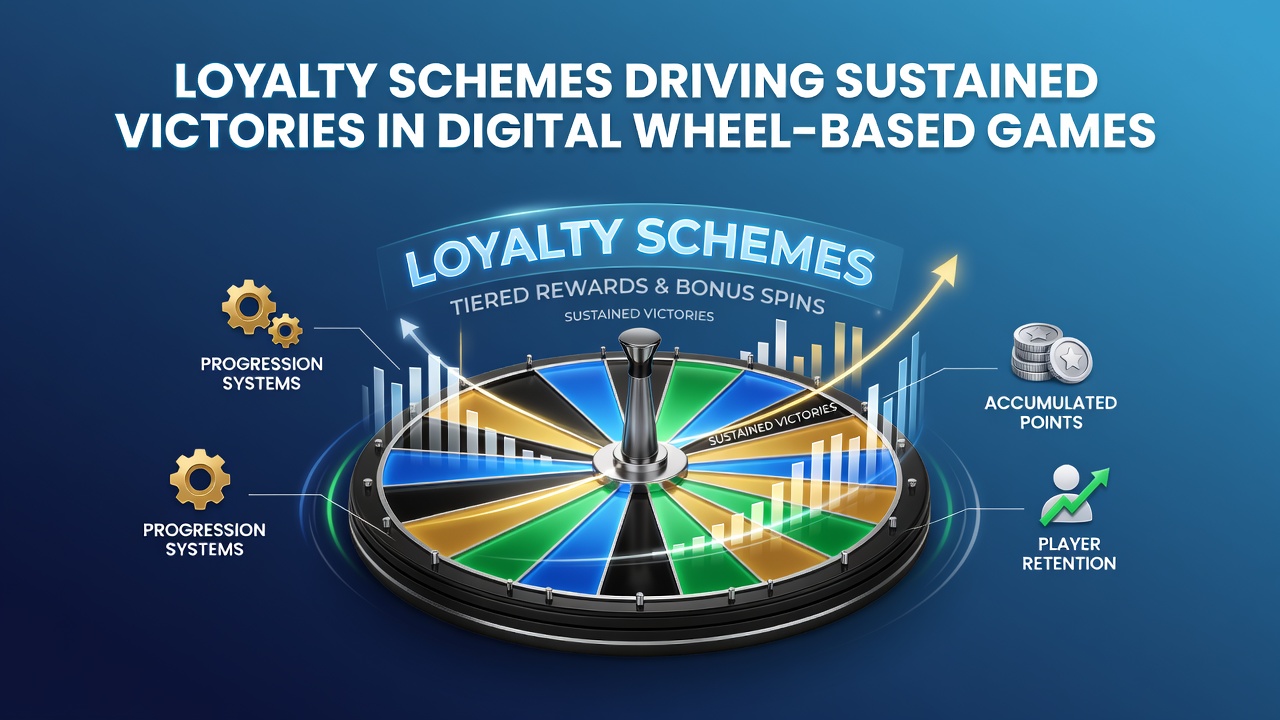
Operators divide loyalty programs into progressive levels that begin with basic entry tiers and advance to elite status after players accumulate set volumes of activity, and each level grants escalating benefits including reduced house edges on select wheel variants, expedited withdrawal processing, and dedicated account managers who offer tailored promotions. Data compiled by gaming associations shows that players reaching mid-tier status often receive weekly cashback percentages ranging from 5 to 15 percent on net losses, which operators calculate automatically at the end of each cycle and deposit directly into player wallets.
Points accrual typically follows a formula where one point equals a fixed monetary value wagered, yet multipliers activate during promotional windows or for high-volume sessions, allowing faster progression. Wheel-specific incentives appear frequently because these games generate steady spin volumes, and programs reward repeat engagement with bonus rounds that add extra chips or multiplier spins without additional deposits.
Performance Patterns Across Player Segments
Research from academic sources tracking user behavior across multiple platforms reveals that participants enrolled in active loyalty schemes maintain account activity for an average of 40 percent longer than non-enrolled users, and this extended tenure translates into higher cumulative win totals even when individual session outcomes remain subject to standard variance. One analysis covering North American operators noted that VIP-tier players in wheel games recorded average monthly net returns 22 percent above baseline figures once cashback and bonus redemptions were factored in.

European regulators outside the United Kingdom have documented similar trends, with figures from the Australian Gambling Research Centre indicating that loyalty-driven retention programs in wheel formats contributed to a measurable uptick in reported player balances during the 2025 calendar year. The same reports highlight that reward redemptions often occur at moments when accounts show temporary downturns, providing a buffer that encourages continued play rather than immediate withdrawal.
Integration With Platform Analytics and Personalization
Modern systems employ real-time analytics to adjust reward offers based on individual betting patterns, and this customization means a player favoring European roulette might receive targeted bonuses for that variant while another focusing on multi-wheel formats sees different incentives. Operators report that such tailored approaches increase redemption rates above 70 percent, which in turn sustains the cycle of deposits and play necessary for ongoing point accumulation.
By August 2026 several major platforms had rolled out mobile-optimized loyalty dashboards that display projected rewards for upcoming sessions, allowing users to visualize potential cashback or bonus value before placing wagers. These tools draw on historical data sets to forecast outcomes under various stake levels, and early adoption metrics suggest they further extend session lengths among enrolled players.
Comparative Data From International Markets
Figures released through the American Gaming Association in early 2026 demonstrate that loyalty program participants in regulated online wheel markets achieved higher lifetime value metrics than those outside such structures, with the gap widening as tier levels increased. Canadian provincial data similarly shows elevated retention among loyalty members, although participation rates vary by province depending on local licensing requirements and promotional restrictions.
Cross-border comparisons indicate that programs emphasizing wheel-game exclusives, such as progressive jackpot entries tied to point totals, produce stronger engagement spikes than generic casino-wide rewards. Observers note that these targeted mechanics align with the high-frequency nature of wheel spins, turning routine play into structured progress toward larger prize pools.
Conclusion
Loyalty schemes in digital wheel-based gaming continue to evolve through data-driven refinements that link consistent activity to tangible returns, and available statistics confirm their role in extending player lifecycles while distributing rewards that offset variance. As platforms incorporate more granular personalization and real-time forecasting tools, the connection between program participation and sustained account performance appears set to strengthen further across regulated markets worldwide.