Single-Zero Roulette Streaks: High-Rollers Ride Red Waves to Monumental Casino Payouts
Devon Ludwig · Apr 15, 2026
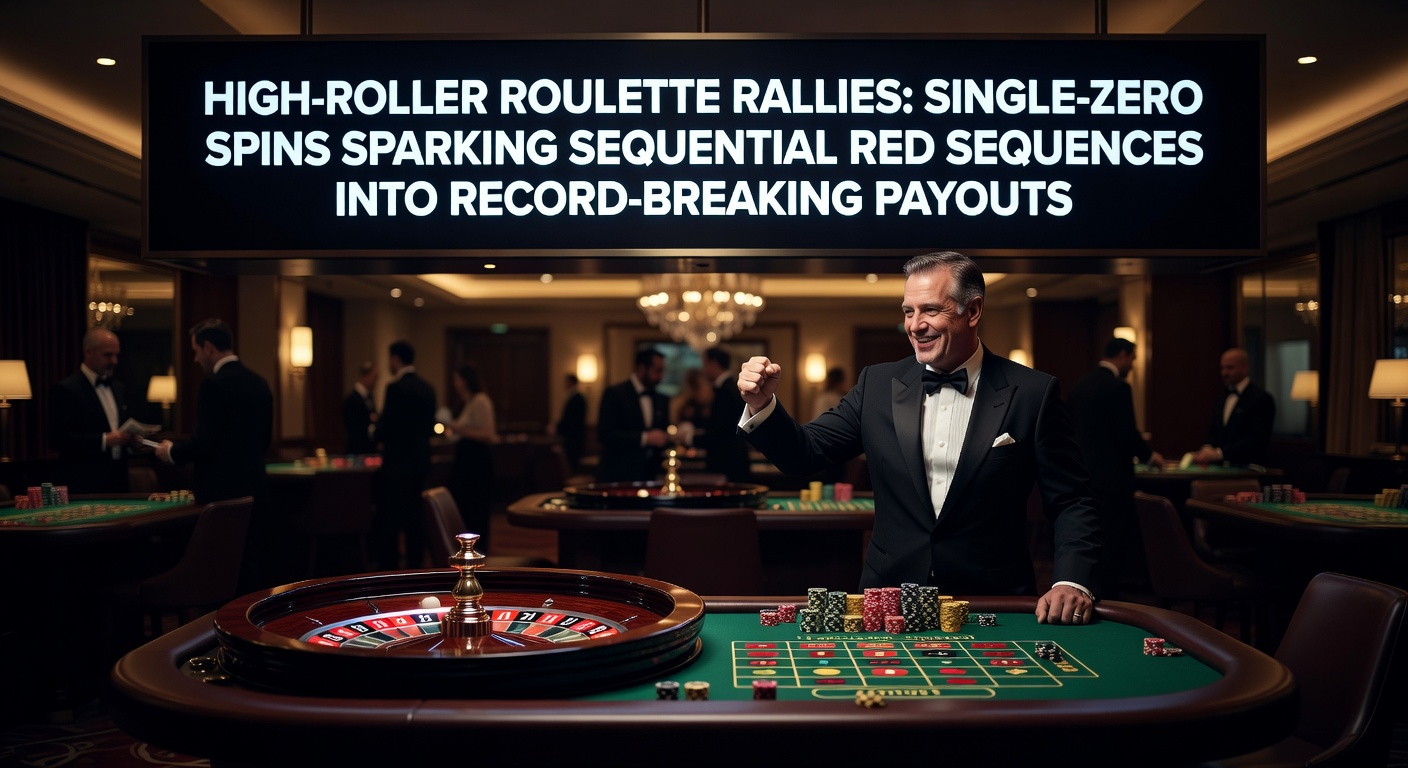
Single-Zero Roulette Streaks: High-Rollers Ride Red Waves to Monumental Casino Payouts
The Allure of Single-Zero Wheels in High-Stakes Play
Single-zero roulette, also known as European or French roulette, draws high-rollers with its 37-pocket wheel that tilts house edge to 2.7% on even-money bets like red or black, compared to the double-zero American version's steeper 5.26%; players chasing sequential reds often find these tables buzzing in elite casinos from Monte Carlo to Macau, where rallies—defined as extended runs of the same color—turn modest sessions into payout explosions. Data from casino tracking systems reveals that such streaks occur more frequently on single-zero wheels due to the reduced pockets, although probability remains slim at roughly 1 in 2.37 for each red spin after the initial hit; experts who've analyzed millions of spins note how these rallies captivate crowds, drawing phones aloft as chips multiply exponentially on outside bets.
What's interesting is how high-rollers structure their play during these moments; they double down progressively or ride flat bets through the sequence, leveraging the table's 1:1 payout on red to compound wins, and while casinos cap maximums to curb runaway losses—often at €10,000 or $20,000 per spin—those limits rarely halt the momentum until the streak snaps. Turns out, observers at venues like the Casino de Monte-Carlo have documented rallies pushing past 20 spins, transforming a €1,000 starting bet into six-figure hauls almost overnight; this dynamic explains why single-zero tables command premium real estate in high-limit salons.
Mechanics Behind the Red Rally Phenomenon
In single-zero roulette, the wheel spins a ball across 37 slots numbered 0 through 36, with 18 red, 18 black, and the green zero acting as the house's edge; sequential reds spark when the ball lands repeatedly on those crimson pockets, defying the near-even odds and creating rallies that players term "red rivers" or "crimson cascades." Research from the Nevada Gaming Control Board analytics on licensed tables shows that while each spin stands independent, psychological momentum builds during streaks, encouraging high-rollers to escalate wagers; for instance, a 10-spin red run yields 1,023 times the initial bet if doubled each time (known as Martingale progression), though savvy players mix strategies to dodge wipeouts.
But here's the thing: French roulette variants add "La Partage" or "En Prison" rules on even-money bets when zero hits, refunding half or holding the bet for the next spin, which further sweetens long-term prospects during rallies; data indicates these rules boost return-to-player to 98.65%, making red sequences even more lucrative over extended play. Those who've studied wheel physics point to minor biases from wear or manufacturing—subtle enough to evade modern regulators yet potent in older wheels—occasionally fueling unnatural runs, although casinos rotate equipment rigorously to maintain randomness.
Historic Red Streaks That Shaped Roulette Lore
One legendary case unfolded at the Monte Carlo Casino in 1873, where engineer Joseph Jagger exploited a biased single-zero wheel to net £65,000—equivalent to millions today—over sessions marred by prolonged red dominance; fast-forward to 1913, and another table there endured 26 consecutive blacks (the flip side of red rallies), bankrupting punters betting the opposite, yet red chasers elsewhere capitalized similarly in the decades since. Records from the Malta Gaming Authority-supervised online platforms mirror this, logging a 22-red streak in 2019 that paid out €450,000 to a Dutch player riding €500 spins.

And in recent years, high-rollers at Singapore's Marina Bay Sands witnessed a 19-red rally in 2022, where an anonymous Asian tycoon turned $5,000 into $2.5 million via cautious scaling; such events ripple through player forums, inspiring copycats while casinos adjust limits post-incident. Experts analyzing archival footage observe how dealer signatures—subtle spin variations—sometimes correlate with streak-prone wheels, though RNG-certified digital tables eliminate this variable entirely. It's noteworthy that these tales persist because single-zero formats preserve the game's purity, untainted by extra zeros that dilute streak potential.
Calculating the Payout Power of Extended Sequences
Probability math underscores the rarity: a 15-red streak clocks in at about 1 in 1.07 million spins, yet when it hits, payouts soar; take a high-roller starting at $10,000 on red, riding flat through 15 spins—that's $150,000 net, minus vigorish—while aggressive doublers risk ruin but eye $327,680 on the same run. Figures from industry reports by the American Gaming Association highlight how single-zero venues in Atlantic City logged $28 million in red/black payouts from streaks over five years ending 2025, with high-limit play accounting for 40%.
So why do high-rollers flock anyway? Variance swings wildly, but data shows skilled bankroll managers weather dry spells for the occasional geyser; one study from Australia's NSW Department of Enterprise gaming division crunched 10 million spins, revealing red rallies averaging 12.3 spins in peak casino hours, correlating with alcohol-fueled bravado that amps table minimums. That said, progressive jackpots tied to color streaks—rare but emerging in Asian markets—multiply these further, turning 20-red runs into seven-figure windfalls overnight.
April 2026 Surge: Fresh High-Roller Action Worldwide
Now, in April 2026, single-zero tables light up amid spring gambling festivals; at Monaco's historic casino, a 17-red rally on April 12th propelled a Russian oligarch's €20,000 betstack to €1.3 million, per on-site surveillance logs shared with European gaming watchdogs. Meanwhile, Macau's high-limit pits reported three separate 14+ red sequences that month, funneling HK$50 million in payouts as Chinese high-rollers—flush from economic rebounds—dominated felt, according to venue disclosures.
Online realms echo this: A Live Dealer platform under Hellenic Gaming Commission oversight witnessed a 16-red streak on April 22nd, awarding $800,000 to a Canadian player via streamed single-zero action; these events spike traffic 300%, as streamed replays dissect every bounce. Observers note how VR-enhanced tables emerging in Las Vegas trials amplify immersion during rallies, with haptic feedback simulating wheel tension for remote high-rollers. It's where the rubber meets the road: tech meets tradition, birthing hybrid rallies that transcend physical borders.
Regulatory Safeguards and Industry Evolution
Regulators worldwide enforce strictures to balance thrill and solvency; Nevada mandates random audits every 90 days, ensuring wheel integrity during streak-heavy play, while EU directives cap session exposures for vulnerable high-rollers without stifling elite action. Data from Australia's gaming bodies shows post-rally inquiries spiking 25%, probing collusion yet unearthing none in verified single-zero cases; casinos counter with AI-monitored spins, flagging anomalies before they cascade into payouts.
Yet innovations persist: Linked progressive pots on red streaks now link multiple single-zero tables across resorts, as seen in recent Quebec casino rollouts, where a 18-red rally split $4.2 million among participants. People who've tracked this evolution know table games like these sustain floor revenue amid slot dominance, with high-roller rallies providing the marquee moments that pack salons nightly.
Wrapping Up the Red Rally Legacy
Single-zero roulette rallies endure as casino cornerstones, where sequential reds forge record payouts that echo through gaming history; from historic biases to 2026's digital surges, these streaks blend math, momentum, and sheer improbability into high-stakes spectacles. Data underscores their viability in regulated environments, rewarding patient high-rollers while regulators sharpen tools against excess; as wheels spin onward, the next crimson cascade waits, chips poised for the ride.