UK Remote Gaming Duty Jumps to 40%: Operators Face Revenue 'Spiral Effect' from April 2026 Tax Hike
Paul Hartmann · Apr 2, 2026

UK Remote Gaming Duty Jumps to 40%: Operators Face Revenue 'Spiral Effect' from April 2026 Tax Hike
The New Tax Landscape Takes Shape
The UK government recently announced a major shift in gambling taxation, boosting the Remote Gaming Duty on online casino gross gaming revenue from 21% to 40%, with the change set to kick in on 1 April 2026; this move, aimed squarely at remote gambling activities, has already stirred up waves across the industry, as operators grapple with what many call a potential "spiral effect" on their bottom lines. Data from industry reports reveals that this hike could squeeze revenues hard, especially for online casinos where gross gaming revenue forms the core of operations, prompting quick adaptations from licensed players who now face thinner margins in a highly competitive space. And while the policy promises to swell government coffers, observers note how such steep increases often ripple through, forcing businesses to rethink spending, staffing, and even market positioning long before the deadline arrives.
What's interesting here lies in the timing; with over a year until implementation, companies aren't waiting around, already trimming budgets and restructuring to brace for the blow, since the duty applies directly to GGR—the total stakes minus winnings—which means every pound wagered online gets hit harder under the new regime. Experts tracking the sector point out that remote gaming, encompassing everything from slots to table games accessed via apps and websites, generated billions in recent years, but this tax leap could alter player behavior too, potentially driving some activity offshore where regulations loosen up.
How the Duty Works and Why It Matters Now
Remote Gaming Duty, levied on operators' UK-facing remote gambling profits, has long sat at 21%, but the jump to 40% marks one of the sharpest rises in recent memory; figures indicate this could add hundreds of millions to the Treasury's haul annually, based on current GGR levels hovering around £4 billion for remote casinos alone in past quarters. Those who've studied tax policies in gaming know that such changes don't just nibble at profits—they compound, because higher duties often lead to adjusted pricing, reduced promotions, or scaled-back offerings, creating that dreaded spiral where lower engagement feeds even slimmer revenues.
Take the mechanics: an operator with £100 million in GGR pays £21 million today, but that bill climbs to £40 million come April 2026, leaving £19 million less to cover costs like tech, compliance, and marketing; smaller outfits feel this pinch deepest, while giants with diversified arms—sports betting, retail, international ops—spread the load better. And here's where it gets real: industry voices warn that without adjustments, many licensed firms risk viability, pushing players toward unregulated sites that dodge UK oversight entirely.
Operators Swing into Damage Control
Major players like Evoke and Entain's Ladbrokes Coral have moved fast, slashing marketing budgets that once fueled aggressive online acquisition; reports show Evoke, for instance, pulling back on ad spends while eyeing retail closures to conserve cash, a strategy that mirrors broader trends where digital promotions take the biggest hits first, since they drive the remote GGR most exposed to the duty. Entain, owner of Ladbrokes Coral, follows suit, with staff reductions already underway across certain divisions, as leaders prioritize cost efficiencies ahead of the tax wallop.
But larger scale operators hold an edge; their scale allows bulk negotiations with suppliers, shared tech platforms, and cross-subsidization from non-remote segments like land-based betting shops or lotteries, which face different tax structures—point-of-consumption taxes at 15% or general betting duty at 15%, staying untouched for now. One case highlights this: a mid-tier remote-focused firm might shutter operations if margins evaporate, whereas behemoths like Entain, with global reach, weather the storm by reallocating resources, proving that size often spells survival in tax-tightened times.
Turns out, these responses extend beyond big names; smaller licensees echo the moves, cutting jobs and outlets to stem losses, with retail betting shops—already under pressure from online shifts—bearing the brunt, as closures accelerate in high streets nationwide. Data from Next.io's coverage underscores the urgency, noting how the "spiral effect" gains traction through interconnected cuts: less marketing means fewer new players, which shrinks GGR further, amplifying the tax bite in a vicious loop.
Risks of Unregulated Drift and Market Shifts
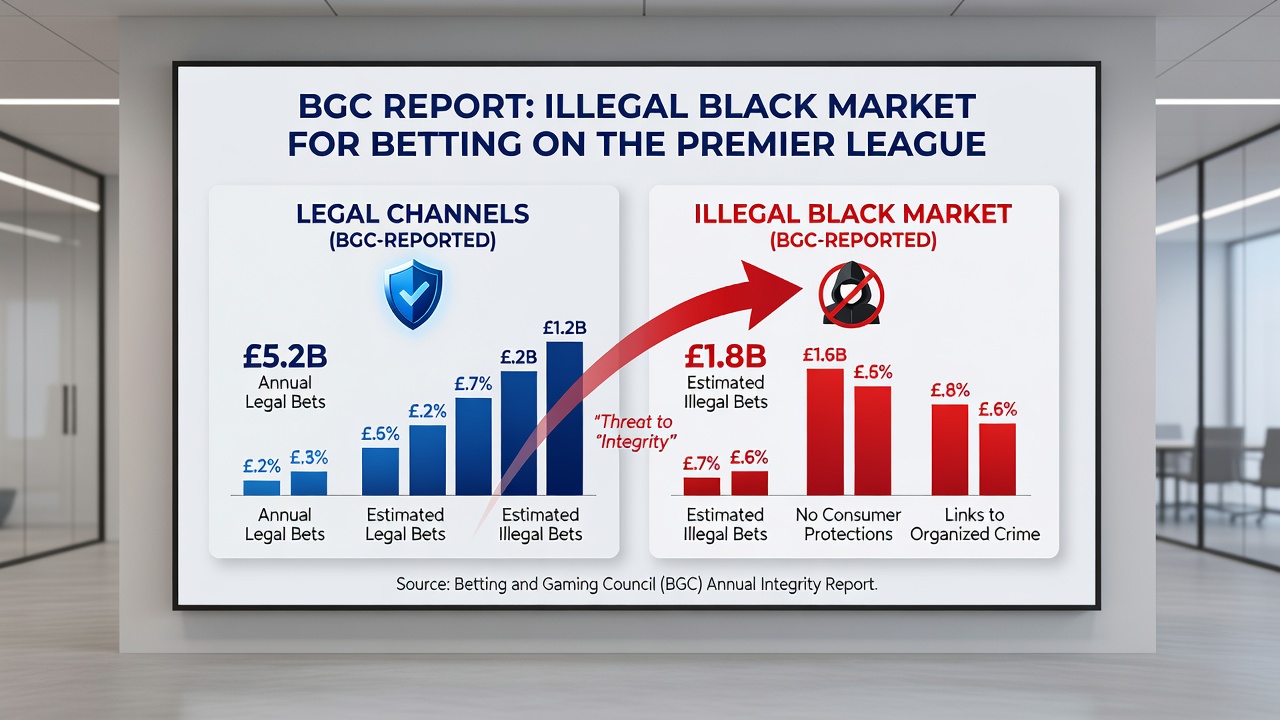
The reality is stark: while the hike boosts UK government revenue—projected to rise substantially from remote gaming's £4 billion-plus GGR pool—it carries the shadow of pushing activity into unregulated markets, where black market operators lurk without consumer protections or tax contributions. Researchers observing past tax hikes in Europe have found similar patterns, with licensed spend dropping 10-20% as players migrate to unlicensed sites offering better odds or bonuses unhindered by duties.
People in the industry often point to this as the writing on the wall; UK players, savvy about VPNs and offshore platforms, could bypass licensed operators altogether, eroding the regulated ecosystem that the Gambling Commission oversees so tightly. And although enforcement ramps up— with fines and blocks on rogue sites— the allure of lower effective costs draws volume away, hurting everyone from Treasury intakes to player safety nets funded by operator levies.
Bigger Players Positioned for Endurance
Larger operators stand taller amid the turbulence; Entain, for example, leverages its Ladbrokes Coral retail network alongside online arms, allowing revenue streams to offset remote duty pressures, while Evoke—despite cuts—benefits from multi-channel setups that dilute the 40% sting. Studies of resilient firms reveal common traits: diversification, tech investments for efficiency, and lobbying clout to shape future policies, ensuring they outlast the squeeze.
Yet even these powerhouses trim sails; marketing reductions hit player acquisition hard, with one expert noting how seasonal campaigns—key for sports-linked casino play—now face deeper scrutiny, potentially flattening growth just as the tax lands. It's noteworthy that retail closures, while painful for communities, free up capital for digital fortification, where operators bet on retention over expansion to navigate the new normal.
So, as 1 April 2026 looms, the sector recalibrates; staff cuts preserve liquidity, outlet shutters consolidate footprints, and spend pulls back to essentials, all while the government eyes its windfall from a market that's anything but static.
Conclusion
The Remote Gaming Duty's climb to 40% reshapes the UK online casino landscape profoundly, fueling a "spiral effect" that operators counter through leaner operations and strategic retreats; larger entities like Evoke and Entain's Ladbrokes Coral demonstrate adaptability, trimming marketing, staff, and retail presence to endure, even as risks of unregulated migration loom large. Figures confirm the policy's revenue goals for the Treasury, but the industry's pivot highlights deeper tensions between fiscal aims and market health, setting the stage for ongoing evolution as 2026 approaches. Observers watch closely, knowing that in gambling's high-stakes world, adaptation often decides who thrives.